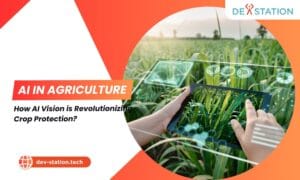
Seeing the Unseen: How AI Vision is Revolutionizing Crop Protection
Key Takeaway AI vision turns farm cameras, drones, and sensors into a real-time scouting layer that spots weeds, pests, and diseases before they spread. Paired
Co-Founder of Dev Station Technology
Key Takeaway AI vision turns farm cameras, drones, and sensors into a real-time scouting layer that spots weeds, pests, and diseases before they spread. Paired
Key Takeaway An IoT water meter replaces mechanical dials with connected sensors, real-time telemetry, and cloud analytics. It cuts non-revenue water, automates billing, warns of
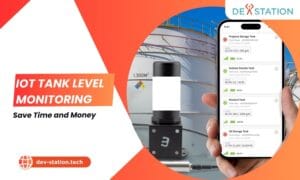
Key Takeaway IoT tank level monitoring replaces manual dipsticks with always-on wireless sensors that stream real-time fill data to a cloud dashboard. The result: up
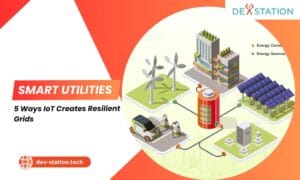
Key Takeaway Definition. Smart utilities use IoT sensors, analytics, and automation to shift energy grids from reactive to proactive, data-driven operations. Problem. Traditional grids suffer
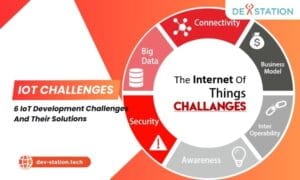
Key Takeaway The 6 IoT development challenges that derail most projects are: (1) Security vulnerabilities, (2) Unreliable connectivity, (3) Power management, (4) Scalability & data
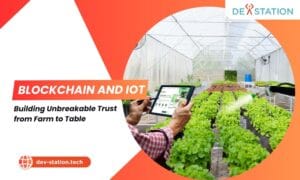
Key Takeaway Blockchain can make a shared traceability record harder to alter after the fact, while IoT devices can capture time, location, temperature, and process
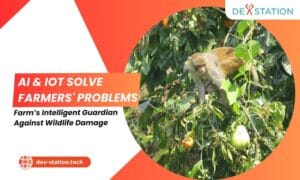
In brief: Monkey Guardian is a camera-based farm protection system designed to help operators detect monkey activity, receive visual alerts, and activate a site deterrent
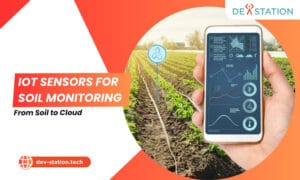
Key Takeaway Choose soil sensors around the decision you need to make, not the dashboard you want to build. Volumetric water-content sensors support irrigation timing;
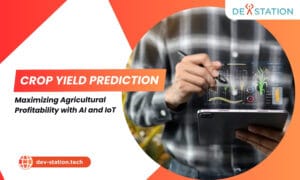
In brief: IoT crop monitoring is an operational loop, not a sensor shopping list. Field measurements must be representative, transmitted reliably, checked against agronomic context,
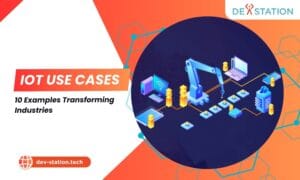
Key Takeaway 18.8 billion active IoT devices are operating worldwide in 2025, with growth accelerating across every major industry. The 10 highest-impact IoT use cases
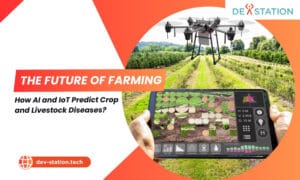
Key Takeaway AI and IoT can support earlier disease-risk detection by combining field, environmental, image, production, and animal-behavior signals. They do not diagnose every disease
Key Takeaway, Quick Summary IoT application development connects physical hardware to the cloud and users, creating smart, data-driven systems that boost efficiency and open new