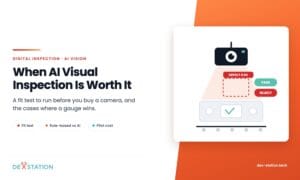
When AI Visual Inspection Is Worth It, and When It Is Not
A fit test for AI visual inspection: the five conditions that decide it, when rule-based vision or a gauge is the better answer, and what a pilot really costs.

Co-Founder of Dev Station Technology

A fit test for AI visual inspection: the five conditions that decide it, when rule-based vision or a gauge is the better answer, and what a pilot really costs.
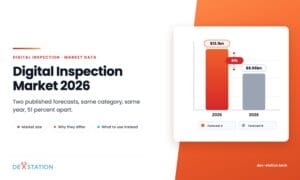
Published forecasts for inspection management software disagree by more than half for 2026. What the figures say, why they differ, and which numbers belong in a business case.
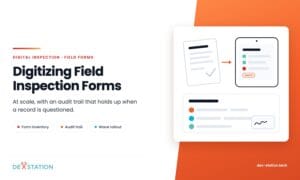
A practical path for digitising a large form estate: the inventory first, the six parts of a real audit trail, form rebuild rules, and a wave rollout.
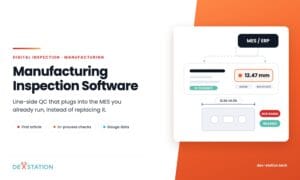
How line-side quality inspection differs from field inspection, the six connections to an existing MES, and a pilot that proves the case on one line.
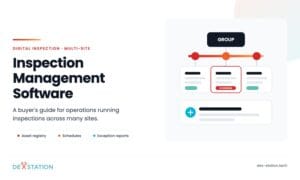
How inspection management software differs from an inspection app, the data model that decides whether it scales past ten sites, and a procurement path for multi-site operations.
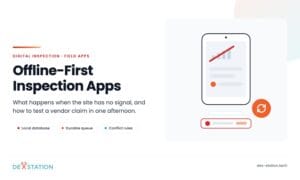
What vendors mean by offline, what an offline-first inspection app needs underneath, the five ways offline sync fails in the field, and an afternoon test that settles any vendor claim.

A buyer guide to mobile inspection apps: the six field realities that decide off-the-shelf versus custom, what it really costs over three years, and how to test before you sign.
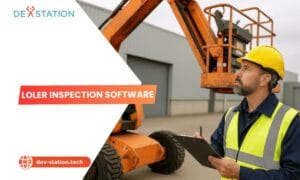
LOLER inspection software explained: the six and twelve month intervals, required report contents, retention rules and the features UK duty holders actually need.

What autonomous AI agents do in B2B workflows, which processes suit them, how to measure ROI from a pilot and which guardrails a production agent needs.
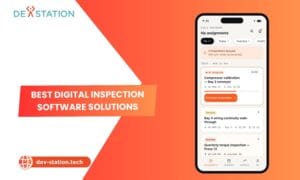
How enterprise manufacturers evaluate digital inspection software: the features to test, the architecture behind AI and IoT inspection, ten platforms by use case and when to build.

The ten benefits of digital inspection, where the cost sits compared with paper, which industries gain most and a four step path from paper to digital.
Elevator inspection software compared for ASME A17.1 and LOLER 1998: what each regime requires on the record, ten platforms with prices checked in August 2026, and when a custom build fits.