Water temperature monitoring
Sensors on tanks and outlets with readings logged automatically.

Hot and cold water readings, written risk records and the booking system around them. Built on the sensor platform we deliver self-hosted.
HSE guidance sets temperature targets for stored and delivered water and expects a written record. Venues that log by hand at every outlet spend hours a week on it, and the missing reading is the one an inspector asks about.
a self-hosted IoT platform that ingests sensor readings and raises alerts
We have no published wellness case. We say so on the first call and show the closest work.
Sensors on tanks and outlets with readings logged automatically.
Readings over MQTT, with an alert when a value leaves its band.
The written scheme, the checks done and the actions taken.
Daily and weekly checks with a photo, offline.
Classes, treatments and access in one system.
Which venues are in range and which are not.
These come from HSE guidance on legionella, published on hse.gov.uk.
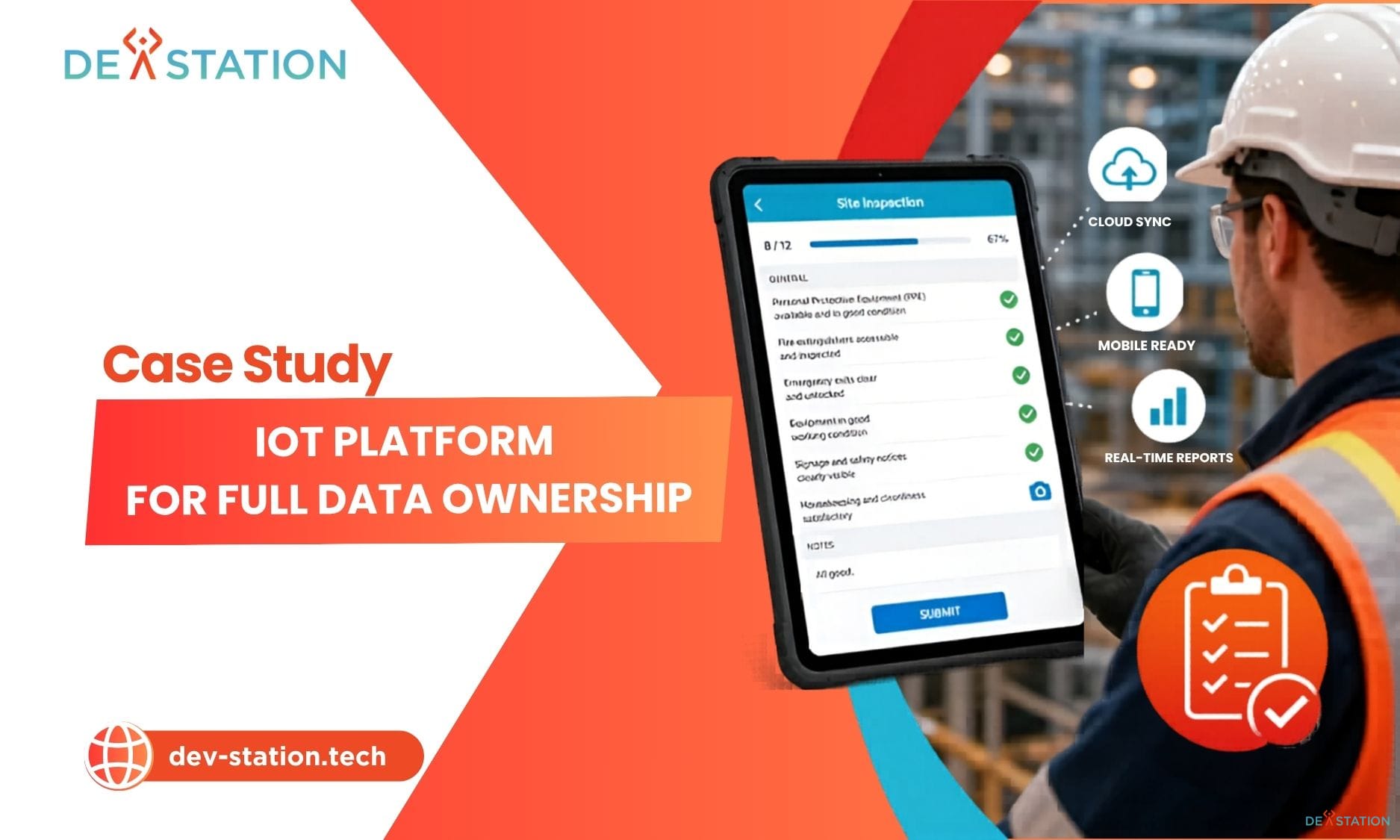
The client wanted off third-party IoT SaaS without losing the enterprise features their own customers expected. We built a self-hosted, white-labelled platform on an open-source base, with role-based access, single sign-on and reporting built in.
Many sites, each with its own water system.
Pools, showers and saunas under one duty.
Brand standards checked the same way in every unit.
Teams who log readings by hand today.
Related reading: facilities management software, entertainment software and energy and utilities software.
Not yet published. We say so on the first call and show the closest work, which is a self-hosted sensor platform with alerts and reporting.
For temperature, usually. Whether a sensor reading satisfies your risk assessment is a decision for your responsible person.
No. That advice comes from your water hygiene specialist and HSE. We build the monitoring and records they specify.
You do, from the first commit. Repositories and cloud accounts stay in your name.
Thirty minutes with the engineers on what you read, how often, and where the log is kept.