Inspection schedules
Each ride and each piece of equipment with its next test date and the inspector booked.

Inspection schedules, defect records and the evidence an operator has to produce for rides and equipment. Built on the field inspection engine we use for statutory examinations.
HSE guidance for fairgrounds and amusement parks expects an annual inspection of each ride by a competent person. That makes the inspection calendar a gate on revenue, and the record of the test the thing an inspector asks for first.
a statutory inspection platform where a lapsed check and a missing certificate are the core problem
We have no published entertainment case. We say so on the first call and show the closest work.
Each ride and each piece of equipment with its next test date and the inspector booked.
What was examined, by whom and with what result, stored against the ride.
Faults found between inspections, with the repair and the sign-off.
Daily checks on site, with photos, working in a field with no signal.
Every attraction in a group on one register, with the late ones at the top.
The inspection status visible where the decision to open is made.
These come from HSE guidance for fairgrounds and amusement parks, published on hse.gov.uk.
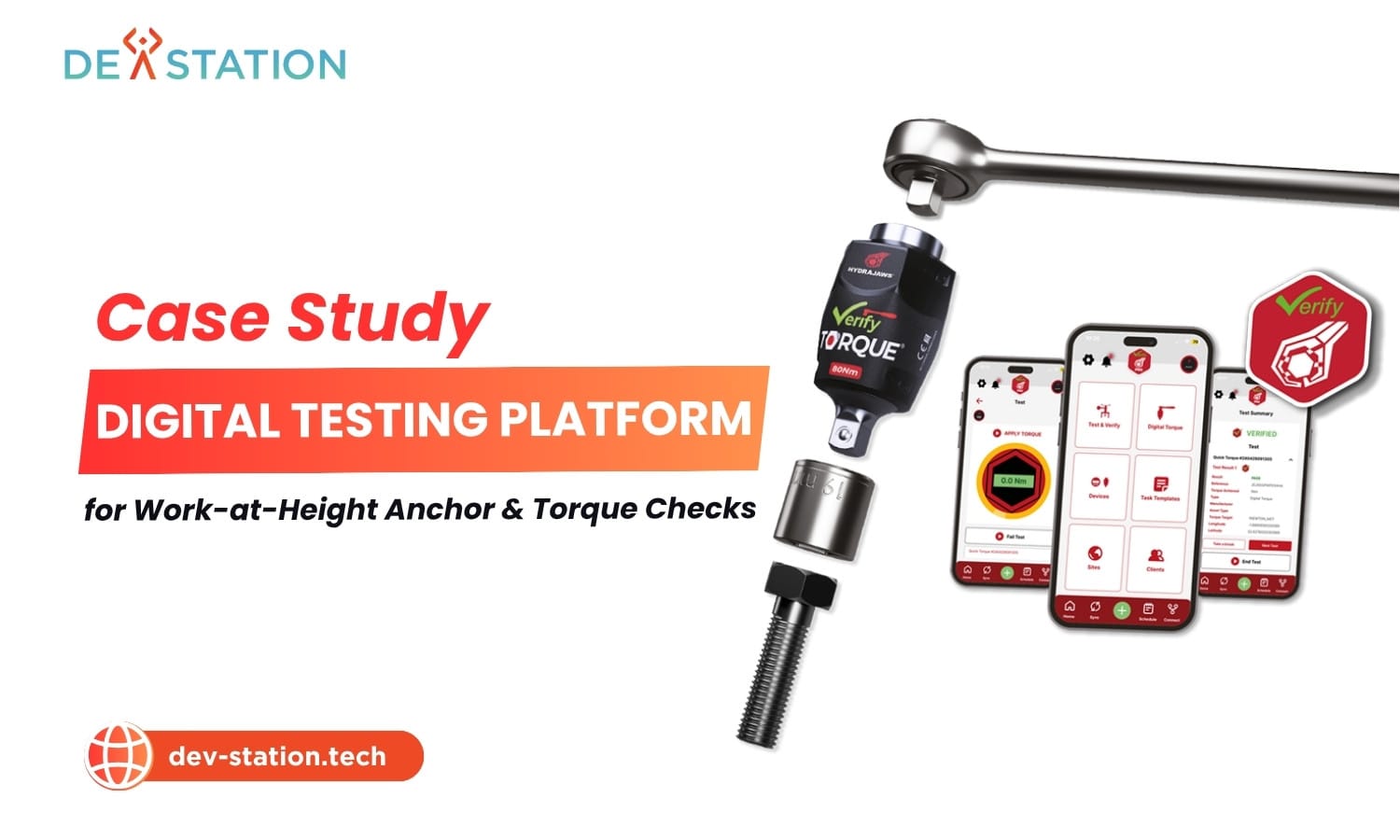
Different sector, same discipline: an examination carried out to a schedule by a competent person, readings taken from an instrument, and a certificate that has to stand up later. The reporting cycle came down by 70 percent once certificates generated themselves.
Rides that move between sites and need their records to move with them.
Many rides, one register, and a regulator who can ask for it.
Equipment checks across sites run by different managers.
Firms carrying out the inspections, where the certificate is the product.
Related reading: event software, facilities management software and test and measurement software.
Not yet published. We say so on the first call and show the closest work, which is a statutory inspection platform with certificates and evidence.
Yes. Records are written to the device first and sync when the inspector has signal.
It can show the status wherever the decision to open is made. Whether it blocks is a rule you set, since the duty to stop sits with the operator.
You do, from the first commit. Repositories and cloud accounts stay in your name.
Thirty minutes with the engineers on how inspections are booked and recorded now, and what happens when one lapses.