



Dev Station Technology

Digital gauge inspection

Get the reading off the instrument, with no clipboard in between

We build systems that take measurements straight from your gauges, testers and sensors, store them with the calibration record attached, and raise an alarm the moment a value drifts out of tolerance.

A torque reading, captured and checked

Reading from the instrumentKTC wrench over Bluetooth: 112.4 Nm
Target and tolerance110 Nm, plus or minus 5: in range
Calibration certificateValid on the day of use
Operator and assetSigned on device, tag scanned
Previous readingSame asset, 30 days ago

Nobody types the number, so nobody can mistype it. Send us your instrument model numbers and we tell you which ones we can read.

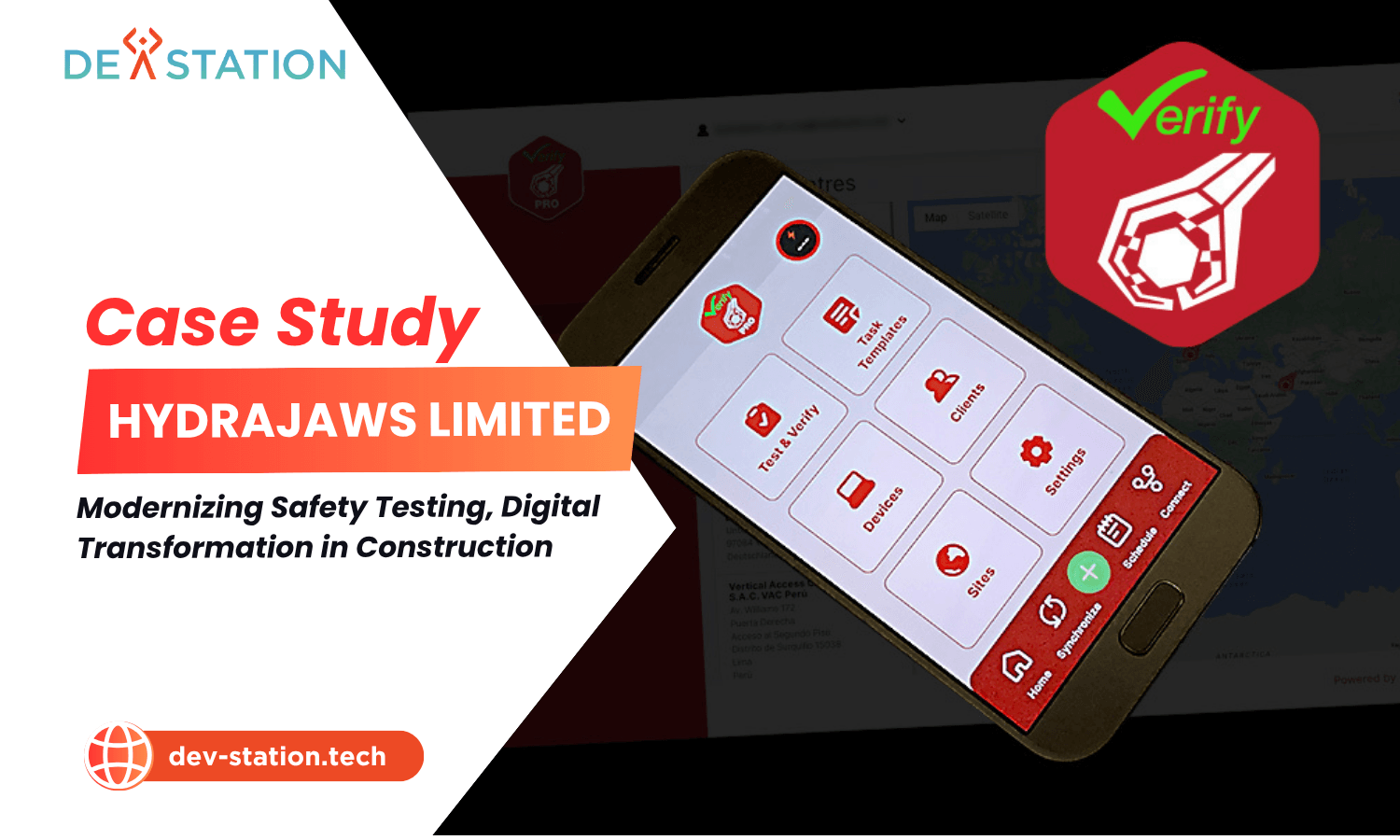
KTC SDKDigital torque readings shipped for Hydrajaws
500%Rise in potential clients after that launch
YearsOf readings kept queryable on one trend line
Week 1Instrument check, before anything else
Where manual readings go wrong

The number on the dial and the number in the record drift apart

A spreadsheet only moves the same numbers somewhere tidier
A clipboard

Where the record breaks

  • A digit gets transposed and nothing can tell
  • Nobody knows if the instrument was in calibration
  • Drift over months stays invisible
The instrument writes the record

What we build

  • The value arrives over Bluetooth or a vendor SDK
  • Calibration is checked at the moment of use
  • Out-of-tolerance readings raise an alarm

Asset, operator, timestamp and location attach themselves to every reading.

Fit check

Is a gauge system what you need?

Pick us when

  • Your instruments expose Bluetooth, a serial port or a vendor SDK
  • An auditor asks for the reading, the instrument and its calibration
  • Values must be checked against a tolerance before the part moves on
  • Readings have to reach your ERP, MES or quality system

Look elsewhere when

  • Your gauges are dial-only and nobody will add a sensor
  • Your calibration register already works and needs no link
  • A typed value in a checklist app is good enough
  • You need a Gage R and R module on day one, which we have not shipped
What we build

Six parts that a checklist app leaves out

From the instrument to the trend line
Capture
Instrument integrationBluetooth, serial or vendor SDK
TraceabilityAsset, operator, time, serial
Check
Tolerance and pass logicLimits per asset and procedure
Calibration controlExpired instruments flagged
Keep
Time series and trendTimescaleDB, data over MQTT
Alarms and escalationA rule engine on the stream

ISO 9001 clause 7.1.5 and ISO/IEC 17025 both turn on producing the calibration record on demand.

How the work runs

We test the instrument link before anything else

From model numbers to rollout
Week 1

Instrument check

You send model numbers, and we find which interface each one exposes.

Weeks 2 to 3

Capture design

Procedures, tolerances, asset structure, calibration rules and certificate layout.

Weeks 4 to 12

Build and pilot

One line or one team runs it on real measurements. Demo every two weeks.

Ongoing

Widen and connect

More instruments, more sites, then the ERP, MES or quality system.

A dial-only gauge cannot be read without added hardware, and we say so before you spend anything.

Technologies

The instrument side, and everything behind it

Two halves: getting the value off the device, then keeping years of values queryable.

Builds

Two builds behind the readings

Hydrajaws safety testing app built by Dev Station
Case study, United Kingdom

Reading torque and pull values straight from the tester

The old app could not read the instruments, so engineers copied numbers onto a form and typed them later. We integrated the KTC SDK so the value in the record is the value the instrument produced.

500%Rise in potential clients after launch
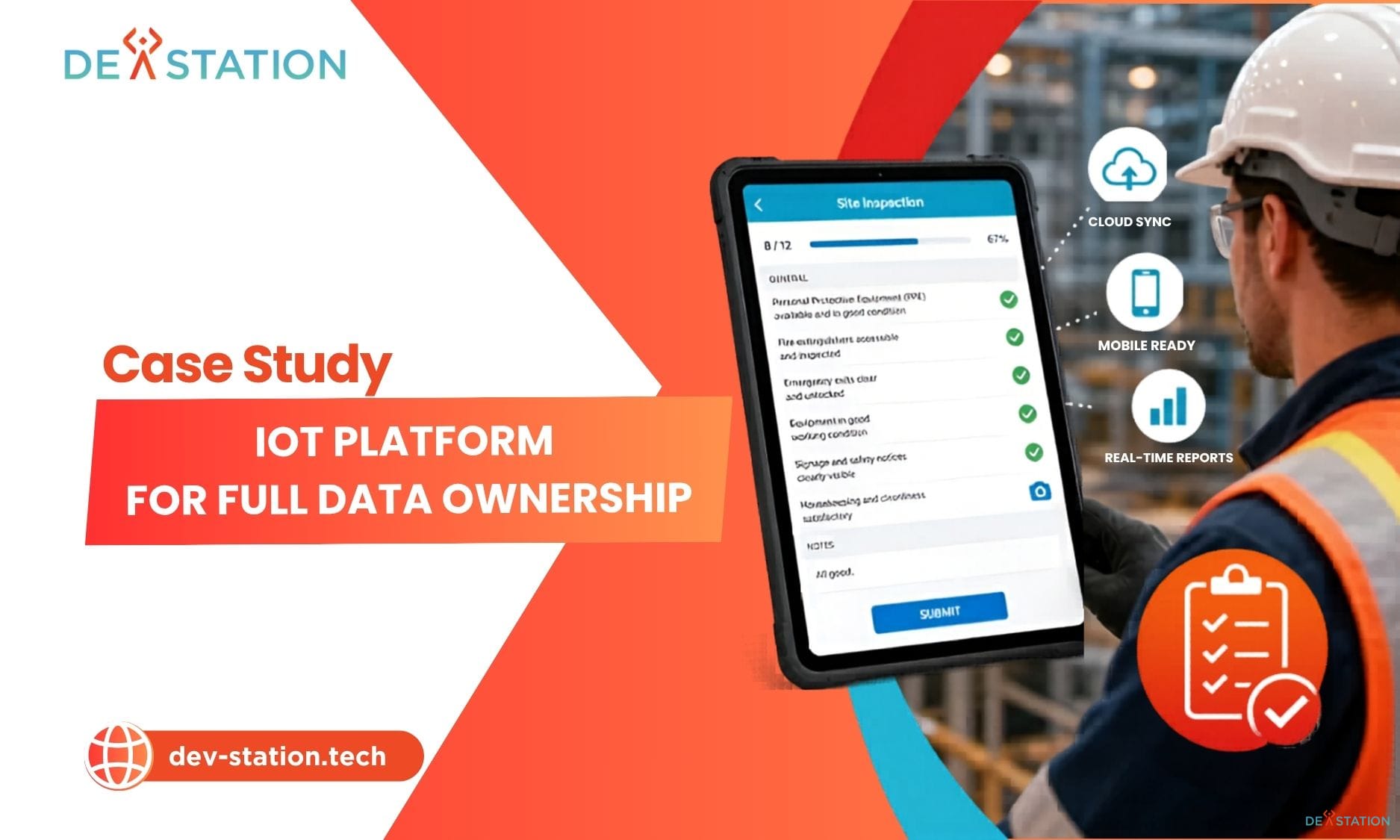
IoT Core Engine self hosted platform built by Dev Station
Case study, IoT platform

A self-hosted platform for readings that never stop arriving

Readings arrive over MQTT, CoAP and HTTP and land in TimescaleDB, so a year of history queries as fast as yesterday. A rule engine raises the alarms.

100%Platform ownership, no vendor lock-in

Tell us what you measure

Three fields. An engineer reads it, and you get an answer within one working day.

  • Send the instrument models and we check what can be read
  • You get a written view on what to build and a budget range
  • No obligation, and no phone number needed to start
FAQs

Questions we get on the first call

Which instruments can you read?

Any device that exposes a Bluetooth profile, a serial interface or a vendor SDK. Send the model numbers and we check each one before you commit.

What about older gauges with only a dial?

A dial with no output cannot be read automatically without added hardware, such as a camera or a retrofit sensor. Most plants run a mix: automatic capture where possible, guided entry with tolerance checks elsewhere.

Do we still need our calibration management product?

Often yes. If your register already holds certificates and intervals, the cheaper route is to read from it, so every reading is checked against live calibration state.

How does this help at an ISO 9001 or ISO 17025 audit?

The auditor asks for the reading, the instrument it came from and proof that it was in calibration that day. A system that captures those together answers it in one screen.

Send us your instrument list

Model numbers are enough to start. We will tell you which ones can be read automatically, which cannot, and what that means for the build.

Let's Talk