Multi-tenant architecture
Tenant separation designed in, not retrofitted.
Multi-tenant platforms with role-based access, single sign-on and reporting from the first release. We build our own SaaS too.
Enterprise customers ask for single sign-on, role-based access and a current security certificate before they sign. A SaaS product that adds those late spends its roadmap catching up.
a self-hosted, multi-tenant IoT platform, and Sales OS, a product we built and run ourselves
We have no published SaaS case. We say so on the first call and show the closest work.
Tenant separation designed in, not retrofitted.
The features enterprise buyers ask for first.
Metering that matches the invoice.
Webhooks and connectors customers use.
The controls, logs and records an assessor asks to see.
Grounded in your data, with the evidence next to the answer.
This comes from BSI, a certification body.
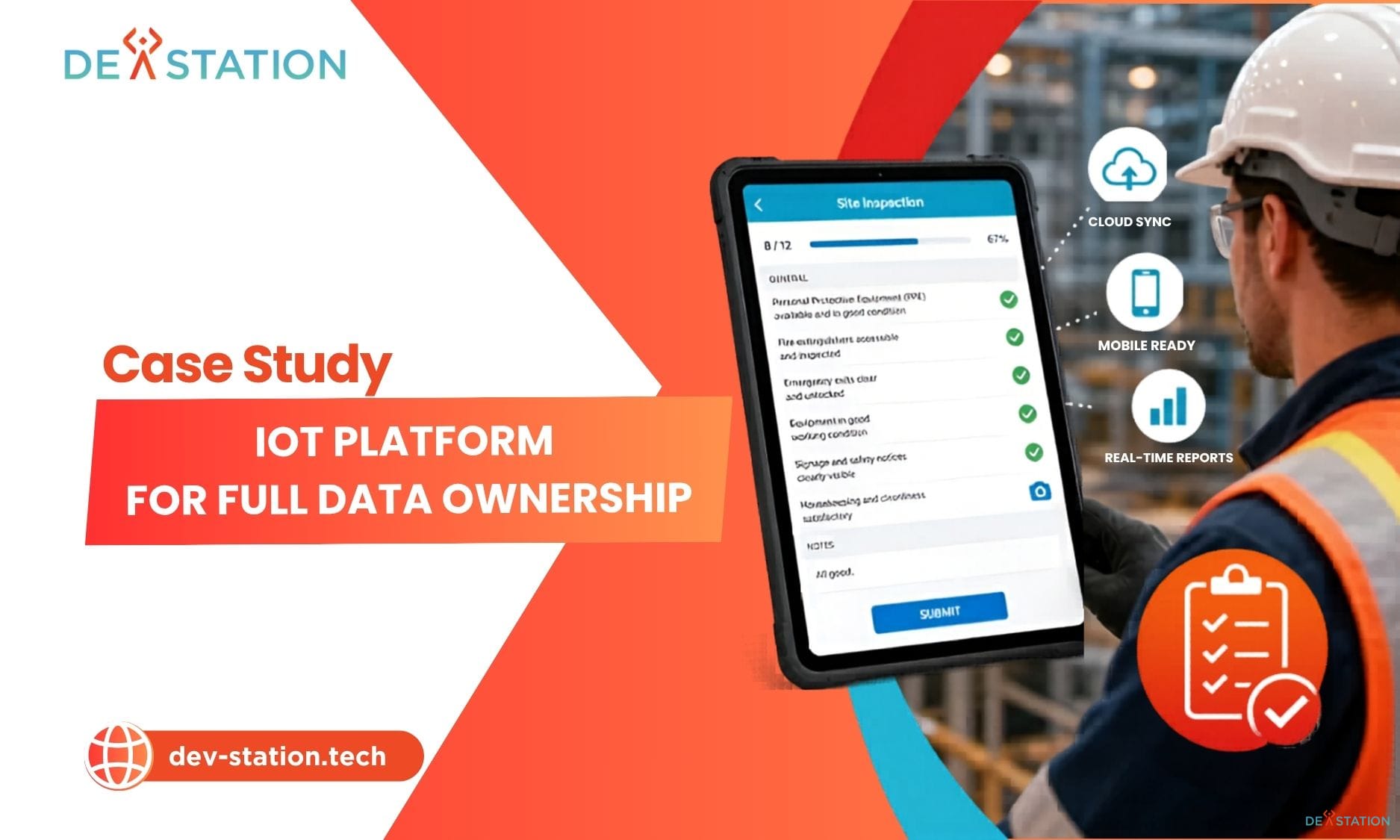
The client wanted off third-party IoT SaaS without losing the enterprise features their own customers expected. We built a self-hosted, white-labelled platform on an open-source base, with role-based access, single sign-on and reporting built in.
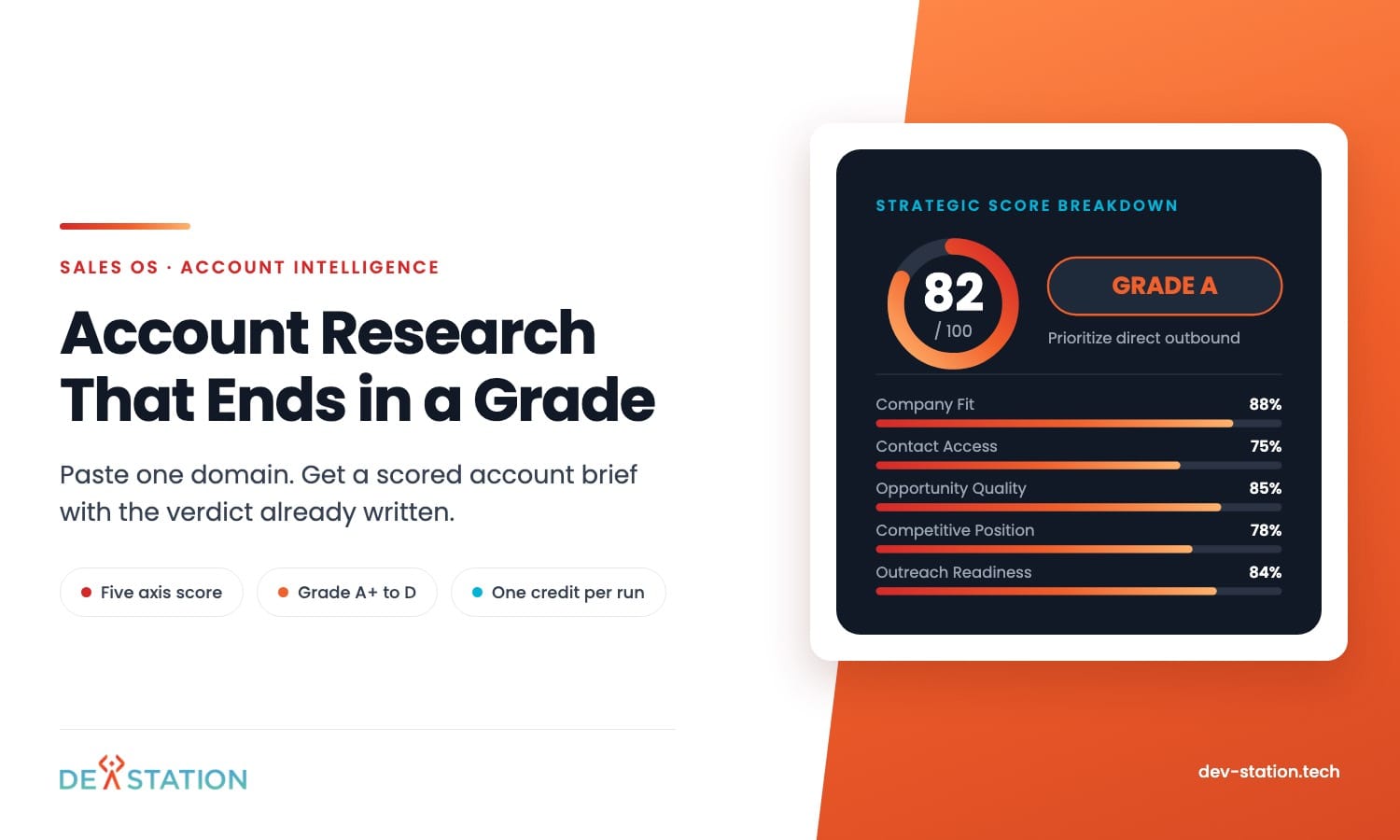
Our sales team lost about forty minutes an account working out whether a prospect owns its inspection equipment. We built a product that takes a domain and returns a graded brief, from A+ down to D.
Teams that need a first version with enterprise features in it.
Where the licence cost has outgrown the value.
Teams losing deals to security questionnaires.
Companies putting grounded AI features inside an existing product.
Related reading: business software, telecom software and game software.
Not yet published. We say so on the first call and show the closest work, which is a self-hosted multi-tenant platform, and our own Sales OS product.
No. That advice comes from your security lead and your certification body. We build the controls and evidence they specify.
Yes. The first step is documenting what exists so you own it again. Rewriting waits until that is done.
You do, from the first commit. Repositories and cloud accounts stay in your name.
Thirty minutes with the engineers on what your product needs next and what enterprise buyers are asking for.