Experiment tracking
Runs, parameters and results kept in one place.
We have no published MLflow build. Our AI product keeps an audit trail of every brief and reports cost and tokens per workspace, which is the problem MLflow also addresses.
Runs, parameters and results kept in one place.
Each step of an AI call recorded so a failure can be found.
Scores that carry the evidence next to them, as in Sales OS.
Provider cost and token counts reported for each team.

Illustration. A dashed outline marks where the technology would sit. We have no published build on it.
Released.
Build your own trace UI by describing it.
Typed decisions in evaluation and tracing.
Automatic issue detection, an agent skill registry and better evaluations.
Source: MLflow releases page, mlflow.org/releases, checked 5 November 2026. The site calls MLflow the leading open source AI engineering platform.

Every dossier keeps its ID, workspace, date and engine version, and the tool reports cost and tokens per workspace.
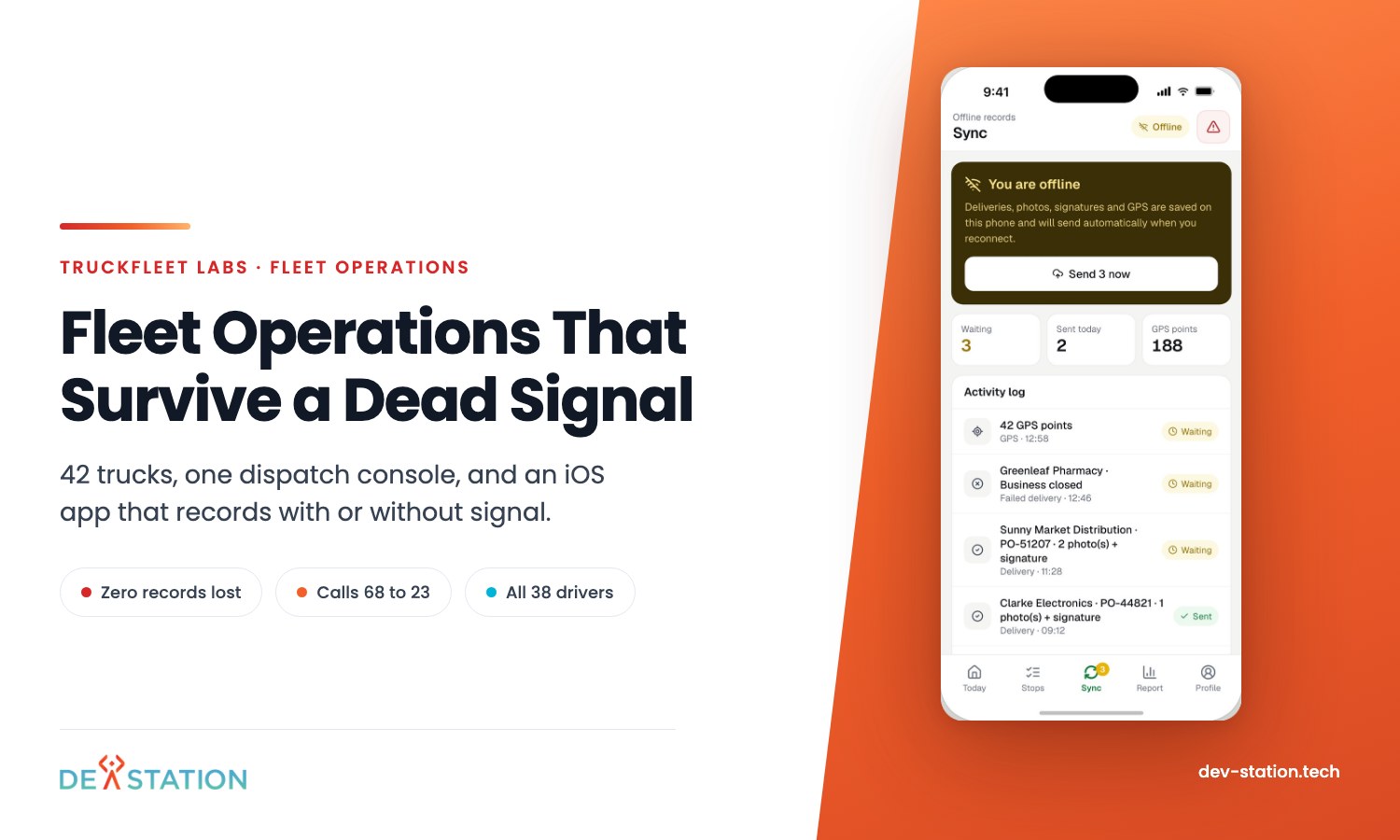
A Python 3.13 back end with a sync queue, where an outage lost no data.
Python PyTorch
 Apache Airflow
 Docker
 scikit-learn
 TensorFlow
MLflow 3.18.0, released on 2 November 2026. The previous releases were 3.17.0 on 6 October, 3.16.0 on 3 September and 3.15.0 on 31 July.
No. We say so on the first call and show the nearest work, which is Sales OS, with an audit trail and cost reporting per workspace.
The release notes stress generative AI and agent work: tracing, evaluation and issue detection.
You do, from the first commit. Repositories and cloud accounts stay in your name.
Thirty minutes on your models, your evaluations and your costs. No sales pitch.