Model training
Trained models for your data, with the evidence of what they learned.
We have no published PyTorch build. Our AI product calls a model API and our back end runs Python 3.13, and we say plainly that neither trains a model.
Trained models for your data, with the evidence of what they learned.
A FastAPI service in front of a model, as on our Python builds.
Docker multi-stage builds for model services.
Moves between PyTorch minors and the Python versions they support.



Illustration. A dashed outline marks where the technology would sit. We have no published build on it.
A minor release on the project schedule.
The previous minor release.
Scheduled on the project page, which calls future dates tentative.
Source: PyTorch RELEASE.md on GitHub, checked 3 November 2026. PyTorch supports all minor versions of CPython that are not end of life, and the latest two CUDA minor versions.
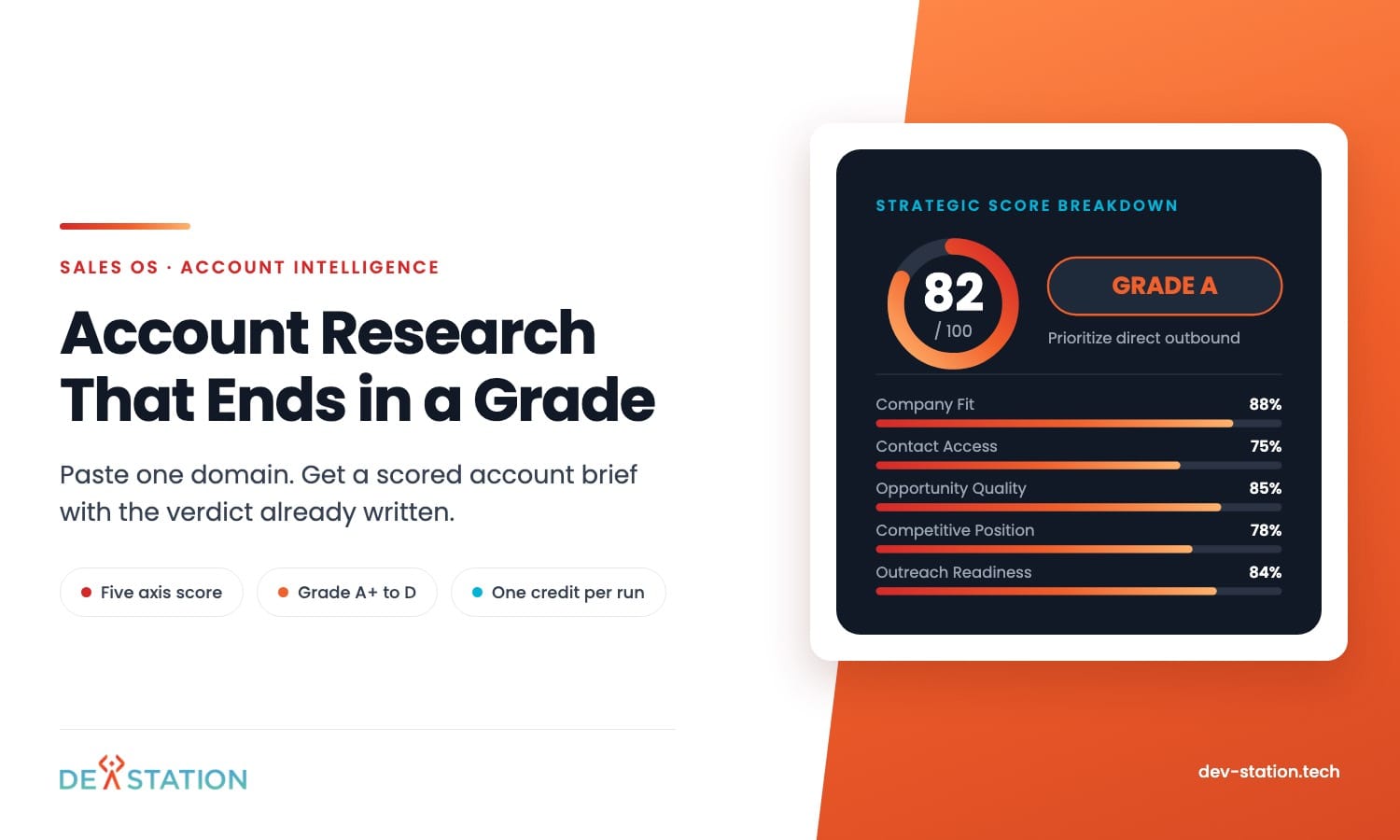
Python 3.13 and FastAPI with an AI engine that crawls a site and writes a graded brief through a Claude-compatible API.
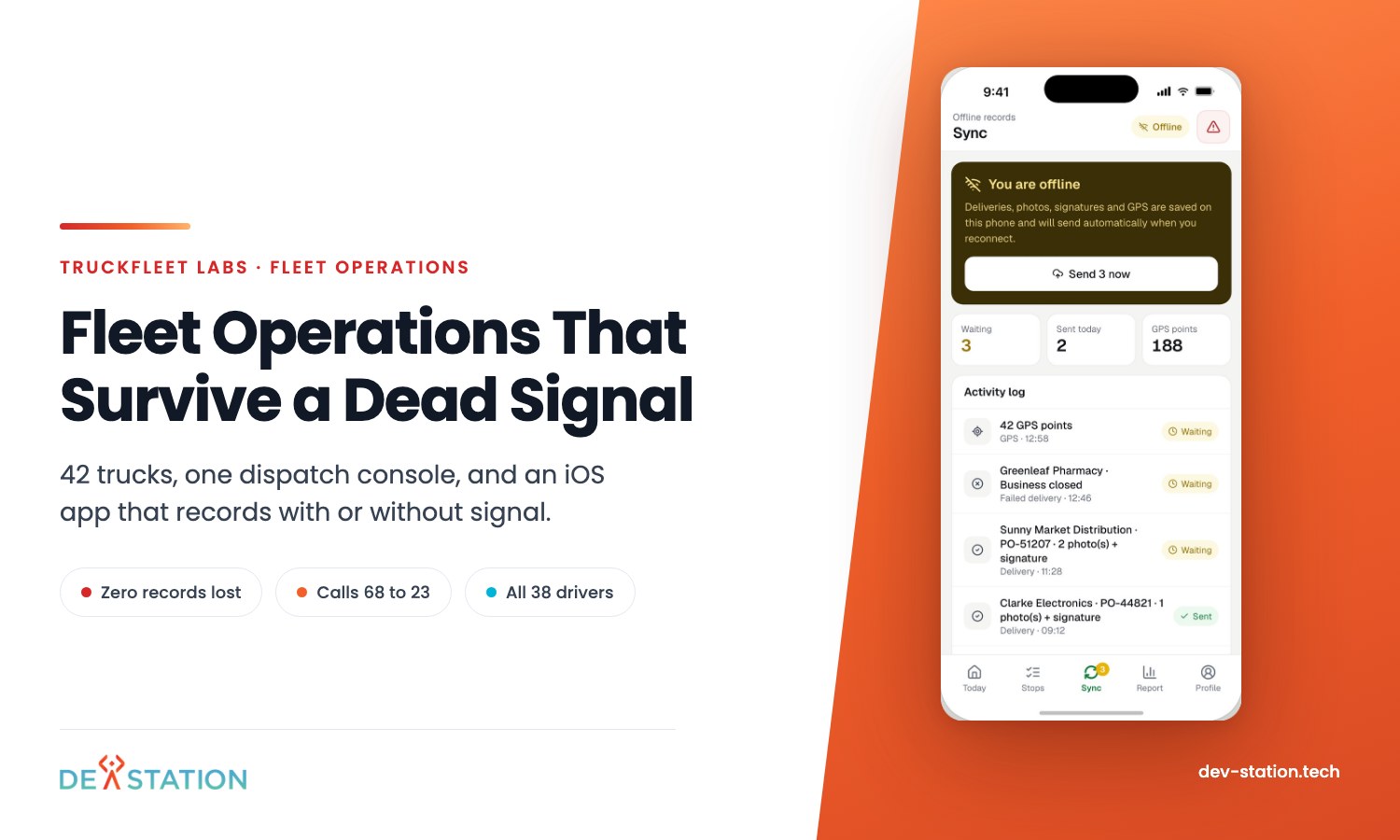
A Python 3.13 back end on FastAPI with telematics ingest and PostGIS.
Python TensorFlowDocker
 Kubernetes
 scikit-learn
 OpenCV
The project schedule lists PyTorch 2.15 for 28 October 2026 and 2.14 for 2 September 2026. It calls future dates tentative.
No. We say so on the first call and show the nearest work, which is a Python 3.13 back end and an AI product that calls a model API.
All minor versions of CPython that are not end of life. Python 3.10 reached end of life on 1 October 2026.
You do, from the first commit. Repositories and cloud accounts stay in your name.
Thirty minutes on your data, your labels and your cloud. No sales pitch.