Player accounts and identity
Sign-in, profiles and linked platforms.
Player accounts, matchmaking data and live-service tooling that hold at launch. We delivered a 30,000+ concurrent user platform in one month.
A game with a good launch gets all its players in the same hour. The backend has to take that, and the data it holds about young players has legal weight in the UK.
a platform that carried 30,000+ concurrent users with one month for the first phase
We have no published game case. We say so on the first call and show the closest work.
Sign-in, profiles and linked platforms.
Events, inventories and economies that scale on microservices.
Telemetry on AWS Kinesis, ready for analytics and tuning.
The data around a match, kept consistent under load.
Retention and spend by cohort.
Settings, defaults and data minimisation for young players.
These come from the Information Commissioner, ico.org.uk.
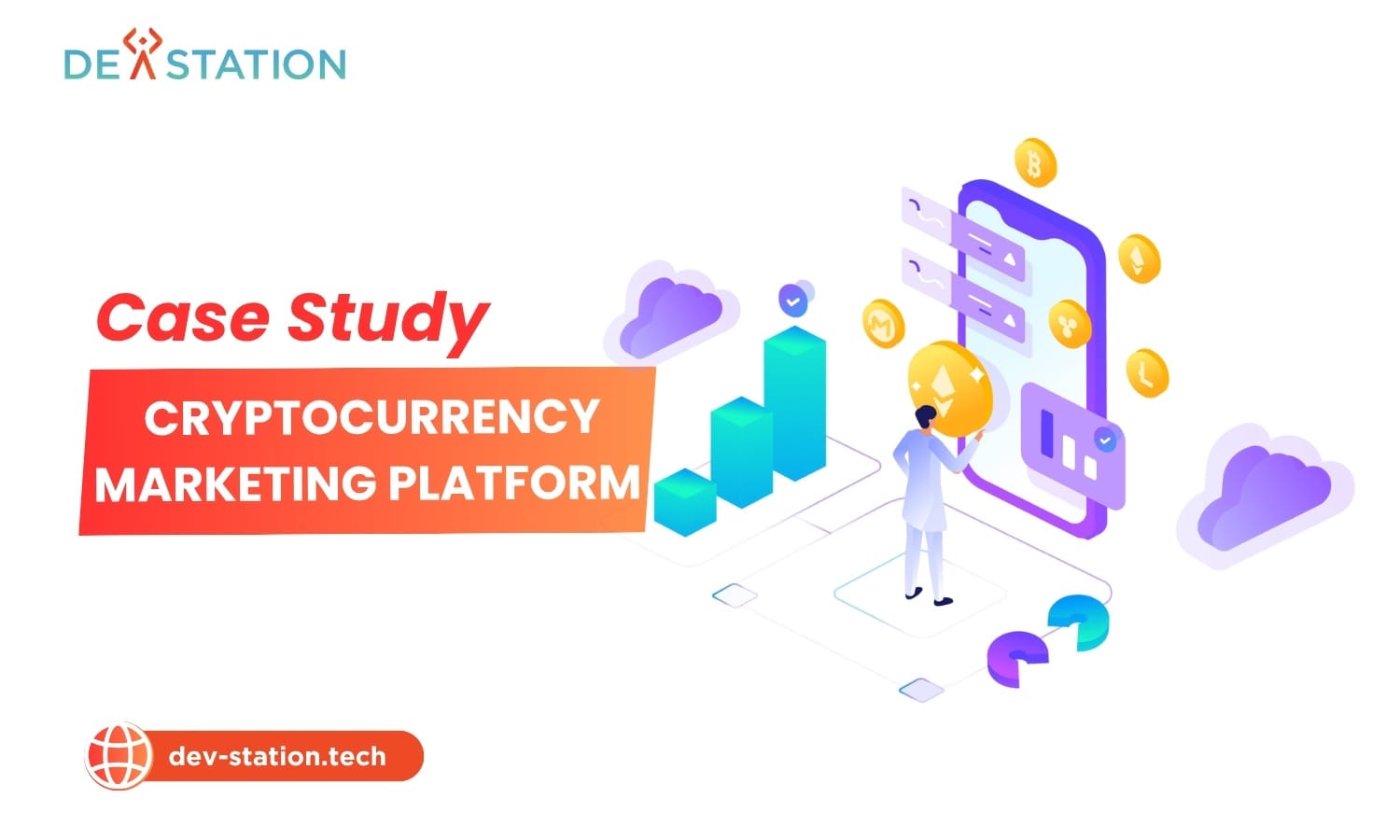
Different sector, same load. A platform connecting thousands of users had to support 30,000+ concurrent users, with one month for the first phase. We delivered on microservices and AWS Kinesis, with .NET and Angular.
Teams whose backend is the part they would rather not build.
Where events and updates must not take the service down.
Large player bases and short launch windows.
Products built around scheduled spikes in traffic.
Related reading: social networking software, entertainment software and SaaS software.
Not yet published. We say so on the first call and show the closest work, which is a platform built for 30,000+ concurrent users.
We build the backend and services around it. The game client is usually your studio engine.
No. That advice comes from your data protection lead. We build the controls they specify.
You do, from the first commit. Repositories and cloud accounts stay in your name.
Thirty minutes with the engineers on expected players, your backend and what breaks first at launch.