Instrument pairing and live readings
Bluetooth LE sessions that survive a glove, a cold morning and a basement.
Apps that pair with pull testers, gauges and torque tools, hold the reading, and turn it into a certificate somebody can rely on. This is the work we do most.
An instrument produces a number. A customer needs a document. Everything between those two, the pairing, the thresholds, the evidence and the signature, is what we build.
Where the maker publishes one we use it, as we did with KTC for digital torque. Otherwise Bluetooth LE or a gateway.
Not to the asset. Model it on the reading, or the certificate will not survive a careful assessor.
Bluetooth LE sessions that survive a glove, a cold morning and a basement.
Uncertainty, method and traceability on the document, generated from the reading.
Shipped with the tool, under the brand of the maker.
Step-by-step testing with thresholds and exception handling built in.
Results that reach Power BI, a client portal or whatever the customer already reads.
What was tested, when, by whom, and what falls due next.
These are the details that decide whether your certificate is accepted or queried.

Proof-load and torque checks ran on spreadsheets and email. We built the planning dashboard, the field app that reads testers over Bluetooth, and the certificate carrying GPS, timestamps and readings.
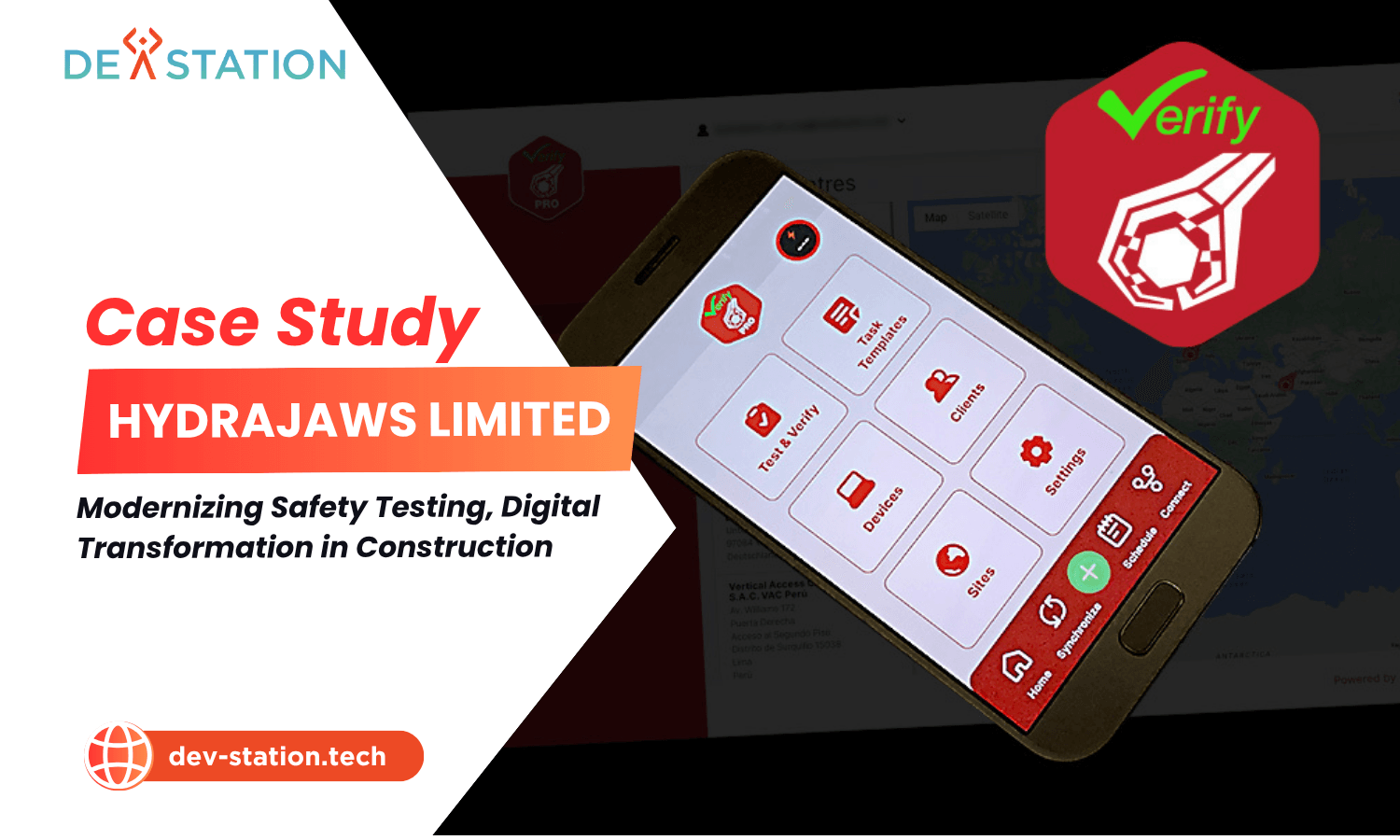
A maker of portable pull testers arrived with an application nobody had documented. We rebuilt the environments, then shipped a free and a paid version with digital torque reading through the KTC SDK.
Makers who want an app shipped with the product.
Firms selling the inspection, where the certificate is the product.
Labs whose documents have to carry uncertainty, method and traceability without manual assembly.
Teams maintaining instruments on behalf of somebody else, across many customers.
Related reading: digital gauge inspection, how gauge data flows and digital quality inspection.
Those with a published SDK, and most that expose Bluetooth LE or a gateway. Send us the model numbers and we will tell you which ones we can read.
Yes. We have shipped white-label apps for a manufacturer, including a free tier and a paid tier built in parallel.
That is usually the point of the build. The certificate pulls GPS, timestamps, readings and the signature, so nobody retypes a number.
You do, from the first commit. Repositories and cloud accounts stay in your name.
Thirty minutes with the engineers on the instrument you ship, what it exposes and what the certificate has to say.