Outcome monitoring dashboards
Customer outcomes measured by product, channel and segment.

Evidence capture, audit trails and outcome reporting for regulated firms. Built on the inspection platform we use to turn field checks into certificates.
The Consumer Duty sets four outcomes a firm has to deliver for retail customers. Showing that it did means gathering data, looking at it and keeping the record of what was done about what it found.
a platform that turns step-by-step evidence into a signed record and cut the reporting cycle by 70 percent
We have no published financial services case. We say so on the first call and show the closest work.
Customer outcomes measured by product, channel and segment.
What was checked, by whom, and what the result was.
Every change with a name and a time, held where it cannot be rewritten.
Complaints logged, routed and tracked to a result.
Product and customer data brought together for the people who review it.
The record has to join up with where the customer actually sits.
These come from the FCA pages on the Consumer Duty.
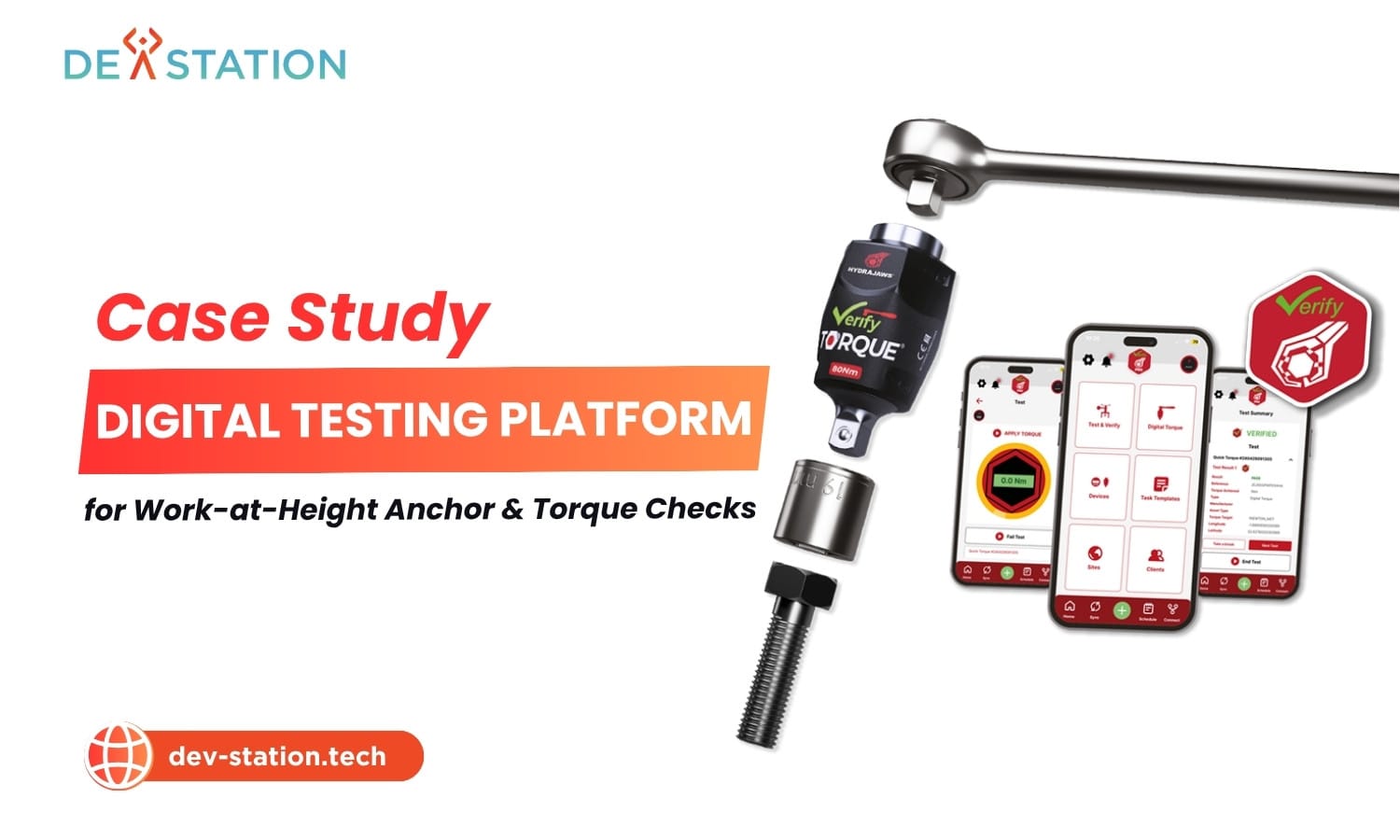
Different sector, same discipline: step-by-step checks in the field, photo and signature evidence, local storage that syncs later, and a certificate that carries the readings. The reporting cycle came down by 70 percent once certificates generated themselves.
Where the outcome has to be shown by client segment.
Many products, one standard of evidence.
Start-ups that need compliance reporting without a large team.
Teams who spend their month assembling the same data.
Related reading: banking software, insurance software, fintech software and finance software.
Not yet published. We say so on the first call and show the closest work, which is a field evidence platform with signed records and reporting.
No. That advice comes from your compliance function and the FCA. We build the records and reporting they specify.
Yes. We work to your access, change and data rules, and build in your cloud accounts.
You do, from the first commit. Repositories and cloud accounts stay in your name.
Thirty minutes with the engineers on where the data comes from, who reviews it and what they do with it.