Dev Station Technology

AI Development

scikit-learn development services beside our Python back ends

We have no published scikit-learn build. Our Python 3.13 back ends serve data, and we say plainly that none of them trains a model.

0Published builds on scikit-learn
1.9.1Latest release, September 2026
1.9.0June 2026
1.8.0December 2025
What we build

What we would take on with scikit-learn

Models on tabular data

Classification and regression on records such as inspection results.

Models behind an API

A FastAPI service in front of a trained model.

Evidence for every score

A prediction that shows what drove it.

Upgrades

Moves onto 1.9 and a Python version it supports.

Architecture

Where scikit-learn would sit

A model in the slot our AI product fills
Clients
React logo
React 19 appAccount briefs and grades
API
Python logo
FastAPIPython 3.13
Model
scikit-learn logo
scikit-learn modelWhere it would sit
Claude-compatible APISales OS, today

Illustration. A dashed outline marks where the technology would sit. We have no published build on it.

Versions

scikit-learn releases

The latest scikit-learn releases
June 2025

scikit-learn 1.7.0

The 1.7 notes require Python 3.10 or newer.

December 2025

scikit-learn 1.8.0

The next minor release.

June 2026

scikit-learn 1.9.0

The latest minor release.

September 2026

scikit-learn 1.9.1

The latest patch release.

Source: scikit-learn release notes, scikit-learn.org, checked 5 November 2026. The release notes give months and not days.
Builds

The closest builds we can show you

Sales OS account research product built by Dev Station
AI product, in-house

Sales OS

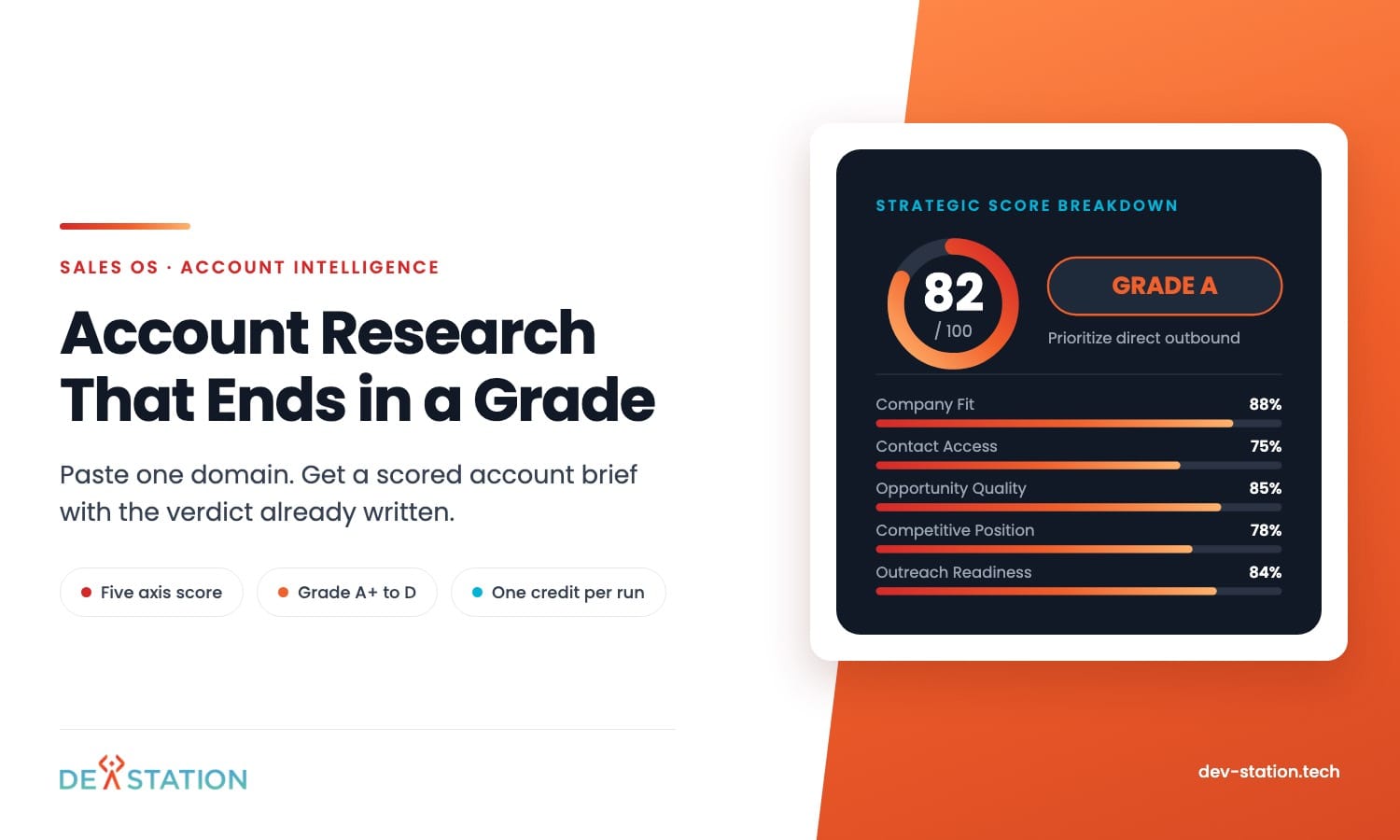
A Python 3.13 and FastAPI product that grades accounts on six axes and shows which axis pulled the grade.
1 creditOpens all six tabs of an account brief
TruckFleet Labs dispatch console and driver app built by Dev Station
Logistics, fleet operations

TruckFleet Labs

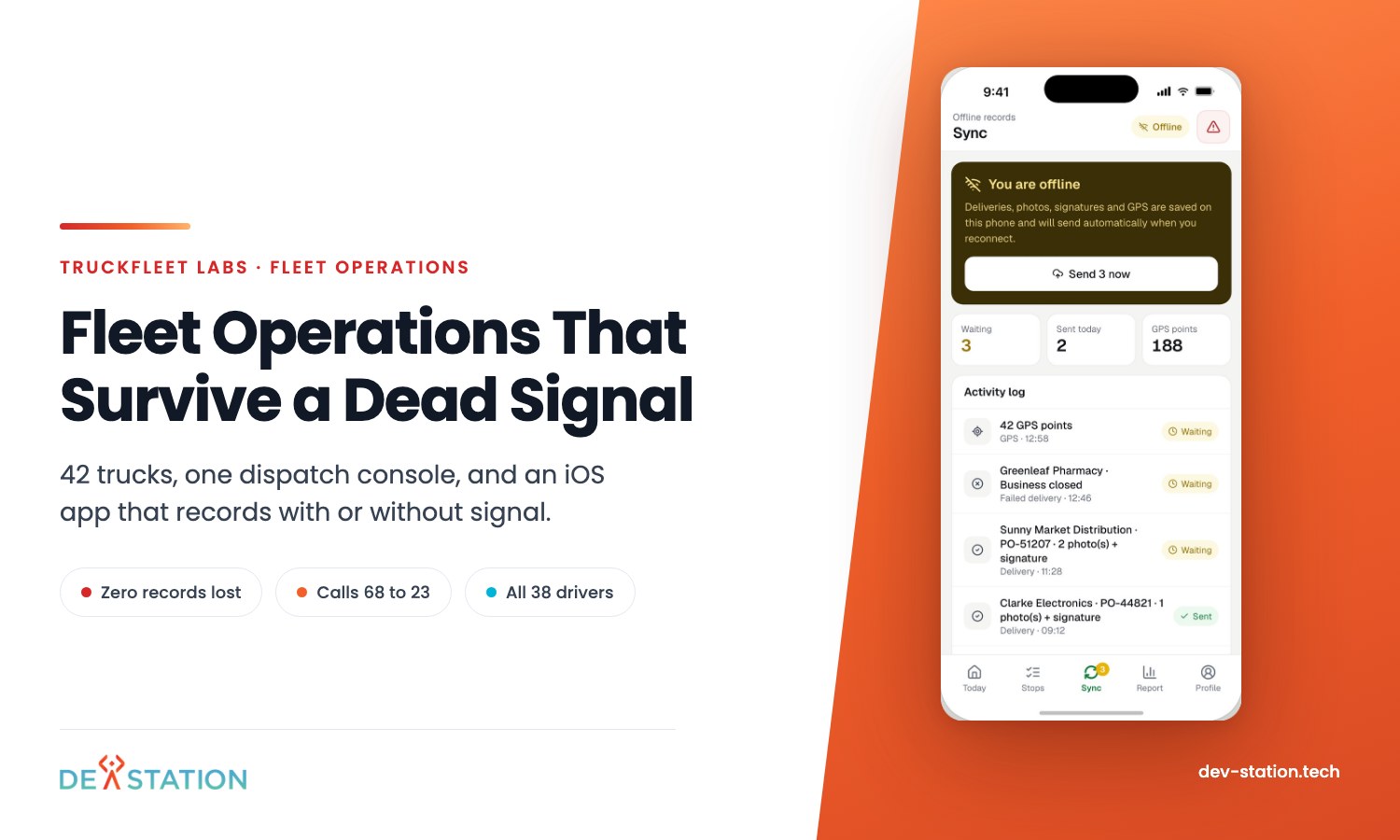
A Python 3.13 back end with telematics ingest and PostGIS.

38Drivers on the app by week three
Fit check

When scikit-learn is the right call

Pick scikit-learn when

  • Your data is a table of records
  • You need a model you can explain
  • A small model on your own servers is enough

Look elsewhere when

  • You need a published scikit-learn build to inspect, which we do not have
  • The job is images or text, where we would look at deep learning
  • A model API already answers the question, as in Sales OS
Stack

What scikit-learn usually sits beside

Python logoPython
XGBoost logoXGBoost
PyTorch logoPyTorch
TensorFlow logoTensorFlow
Docker logoDocker
Apache Airflow logoApache Airflow
FAQs

What buyers ask first

Which scikit-learn version is current?

scikit-learn 1.9.1, released in September 2026. Version 1.9.0 came out in June 2026 and 1.8.0 in December 2025.

Do you have a published scikit-learn build?

No. We say so on the first call and show the nearest work, which is a Python 3.13 back end and an AI product that grades accounts.

Which Python version does scikit-learn need?

The 1.7 notes say Python 3.10 or newer. Python 3.10 reached end of life on 1 October 2026, so check the install page for the version you target.

Who owns the code and the cloud accounts?

You do, from the first commit. Repositories and cloud accounts stay in your name.

Tell us what your records have to predict

Thirty minutes on your data, your labels and your scikit-learn version. No sales pitch.

Let's Talk