Soil and crop sensing
Moisture, temperature and nutrient readings tied to a field and a depth.
Sensors, field records and the platform underneath them. We have built a self-hosted IoT platform a client owns outright, and written up how soil data becomes a decision.
Soil moisture, temperature and nutrient sensors produce a number every few minutes. Which field, which depth and what was applied afterwards turn it into a decision, and those are the parts that usually go missing.
Fields are where the signal is worst. Gateways and queued uploads matter more than the dashboard.
Professional users keep a record of every plant protection product used. Sensor data should feed that record and save a second entry.
Moisture, temperature and nutrient readings tied to a field and a depth.
Product, time, dose, area and crop captured once, at the moment of application.
Readings from the field joined to the weather around them.
Multi-tenant, white-labelled and deployed where you decide.
Written to the device first and synced when the tractor reaches coverage.
What is dry, what is late and what needs a person, without a daily login.
Retained EU rules still set the baseline, so check the position for your own farms.
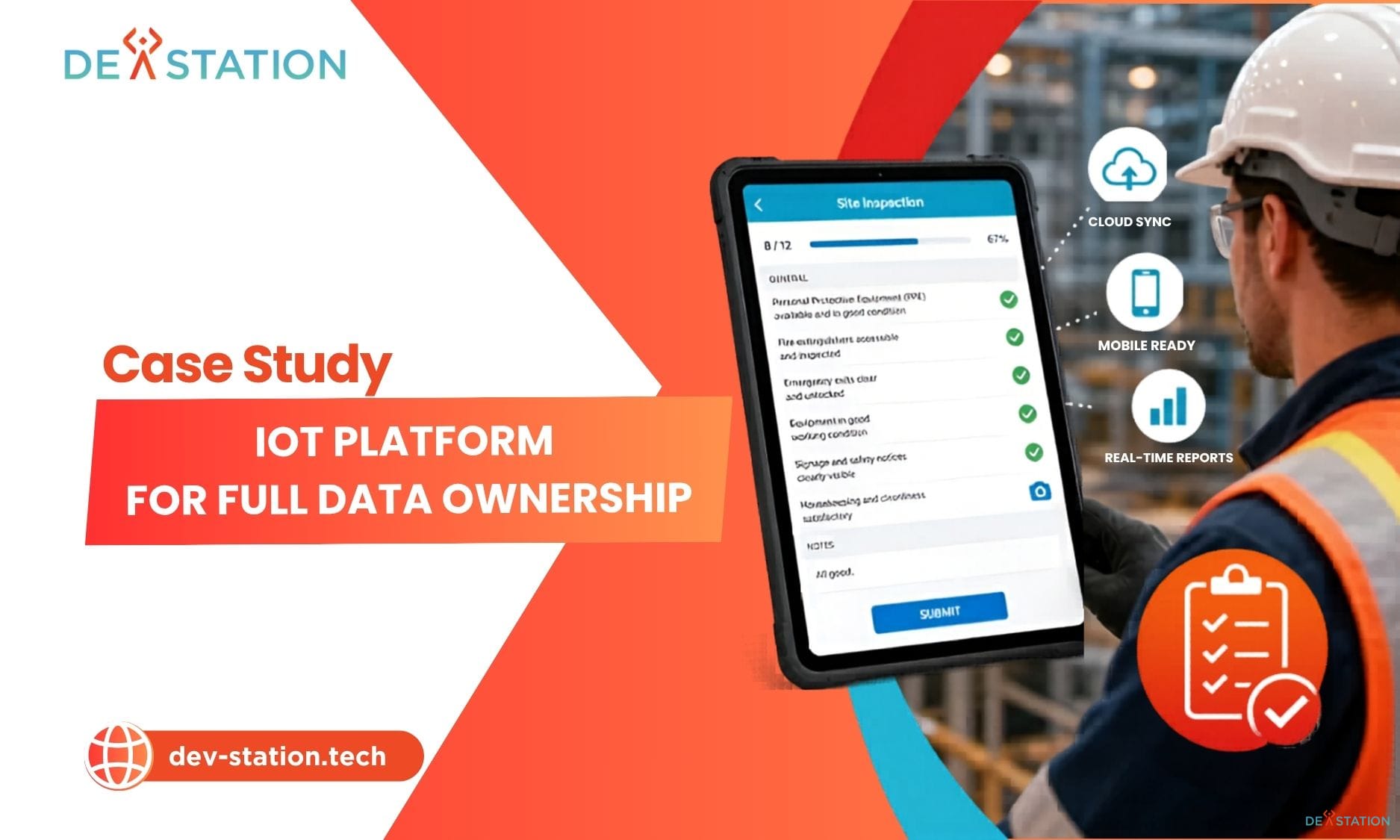
The client wanted off third-party IoT SaaS without losing the enterprise features their own customers expected. We built a self-hosted, white-labelled platform on an open-source base, with role-based access, single sign-on and reporting built in, features SaaS vendors usually keep for the top tier.
Where the spray record and the sensor reading should be the same entry.
Many fields, many members and one reporting obligation.
Teams collecting data across clients and needing it in one place.
Companies that need the platform under their own brand.
Related reading: IoT sensors for soil monitoring, IoT development and the IoT platform case study.
Usually yes, over a gateway or the maker API. Send the model numbers and we will say which ones we can read.
No, but you can. The platform we built runs on-premise, in a private cloud or hybrid, and the client owns the whole stack.
It can, and it should. The record needs product, time, dose, area and crop, so the application event is the entry point.
You do, from the first commit. Repositories and cloud accounts stay in your name.
Thirty minutes with the engineers on what you sense, what you record and where the two should meet.