Dev Station Technology

Frameworks

MEAN stack development services one part at a time

We have no published build on the full MEAN stack. We have shipped Angular in four builds and Node.js in one, and we show where each part stands today.

MongoDBMEAN
0Published builds on the full MEAN stack
4Published Angular builds
18Minimum Node.js version for Express 5
5.3.0Marked latest on the Express releases page
What we build

What we would take on with MEAN

Angular front ends

Dashboards and portals, as on the education platform.
Node.js and Express APIs

APIs for web and mobile clients, as on the Node.js build.

MongoDB data

A document store, planned against how the app reads it.

Stack upgrades

Each part moved to a release that still has support.

Architecture

Where the MEAN parts sit

The four MEAN parts against our published builds
Front end
Angular logo
AngularFour published builds
Server
Node.js logo
Node.jsCore team build
ExpressWhere it would sit
Database
MongoDBWhere it would sit

Illustration. A dashed outline marks where the technology would sit. We have no published build on it.

Versions

Where each MEAN part stands

Support status of the four parts
MongoDBVersion 6.0 reached end of life on 31 July 2025. Version 9.0 is the newest.
ExpressOnly the latest version of any major release line is supported. Express 5 needs Node.js 18 or newer.
AngularAngular 22 came out on 3 June 2026. Angular 20 leaves LTS on 28 November 2026.
Node.jsNode.js 26 entered Active LTS on 28 October 2026. Node.js 20 reached end of life on 30 April 2026.

Sources: MongoDB, Express, Angular and Node.js documentation, checked 9 November 2026. See our MongoDB, Angular and Node.js pages for the dates.
Builds

The closest builds we can show you

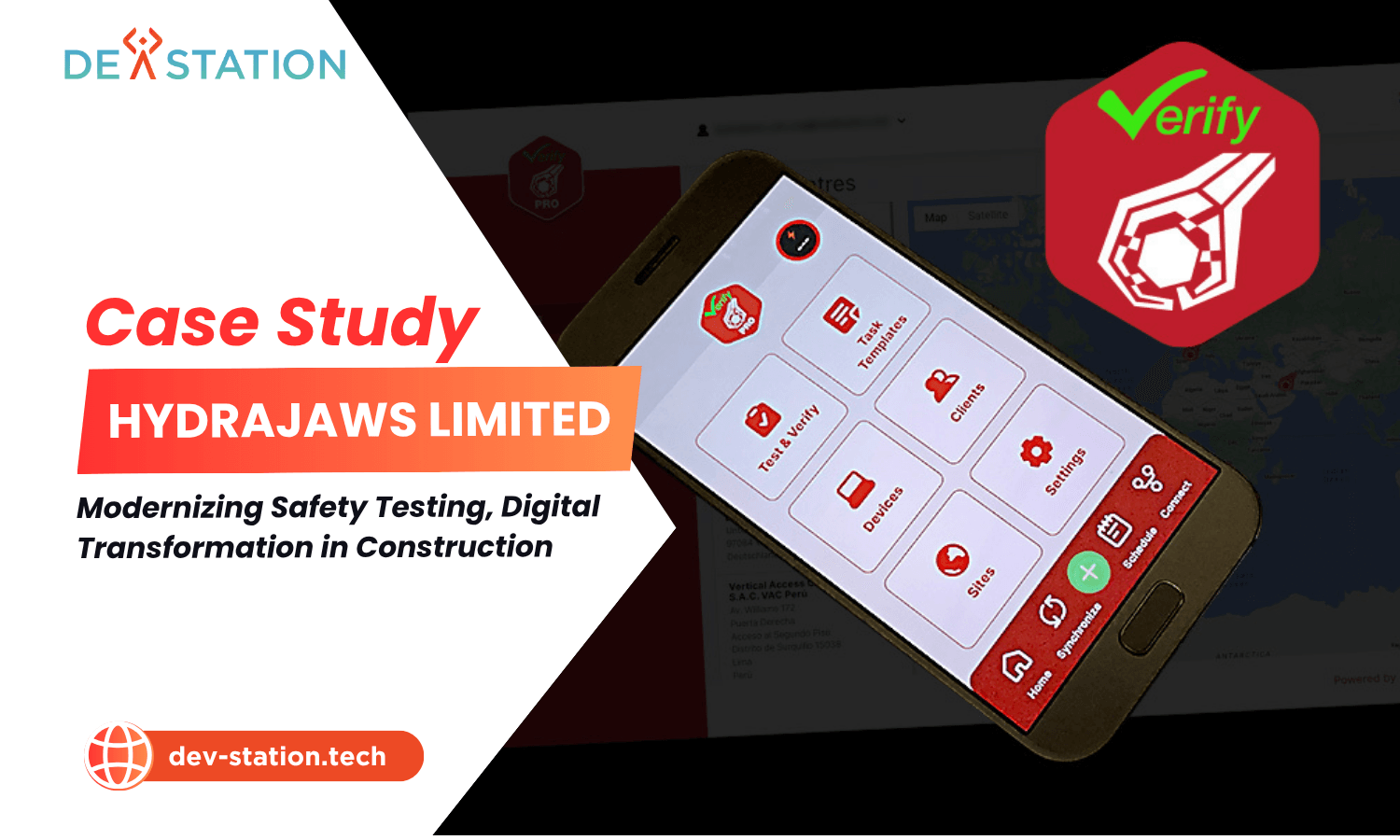
Hydrajaws safety testing app built by Dev Station
Construction safety testing, United Kingdom

Hydrajaws Limited

An Angular front end on Azure, recovered from an abandoned codebase.

500%Surge in potential clients
Core development team built by Dev Station for a German cloud-native company
Dedicated team, Germany

Core development team

Node.js and .NET back ends behind React and React Native clients, on AWS.

60+Developers the team grew to
National education analytics platform rebuilt by Dev Station
Education, Norway

National education analytics platform

Angular dashboards on a .NET back end, with years of data migrated.

No lossData moved from OPAL 1.0 to OPAL 2.0
Fit check

When the MEAN stack is the right call

Pick the MEAN stack when

  • One team writes JavaScript or TypeScript from database to browser
  • Your data is documents
  • You already run Angular

Look elsewhere when

  • You need a published MEAN build to inspect, which we do not have
  • The data is relational or geospatial, where we used PostgreSQL
  • Your back end is .NET and works well
Stack

What the MEAN stack usually ships with

Angular logoAngular
Node.js logoNode.js
MongoDB
TypeScript logoTypeScript
AWS logoAWS
Docker logoDocker
FAQs

What buyers ask first

What does MEAN stand for?

MongoDB, Express, Angular and Node.js.

Do you have a published full MEAN build?

No. We say so on the first call and show the nearest work, which is Angular front ends and a Node.js back end.

Which Express version should we use?

Express 5, which needs Node.js 18 or newer. The Express project supports only the latest version of any given major release line.

Who owns the code and the cloud accounts?

You do, from the first commit. Repositories and cloud accounts stay in your name.

Tell us which MEAN parts you run

Thirty minutes on your stack and the version of each part. No sales pitch.

Let's Talk