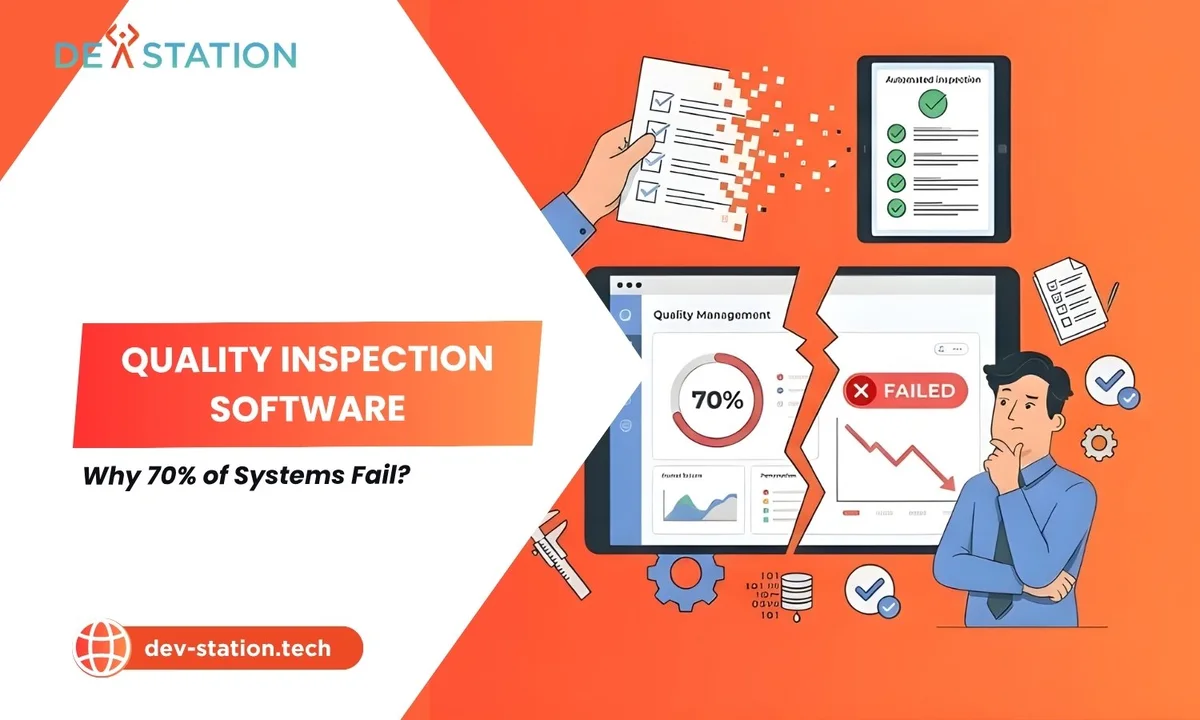
In 2026, despite massive investments in Industry 4.0, a staggering 70% of digital transformations in manufacturing quality control still fail. These expensive initiatives consistently fail to deliver their expected return on investment. Many QA Managers and CIOs invest heavily in quality inspection software. However, they soon realize they haven’t solved their systemic inefficiencies. Instead of transforming their workflows, they have simply moved their broken, disconnected paper processes onto an expensive glass screen.
Specifically, this superficial upgrade creates a false sense of security on the shop floor. Therefore, this guide breaks down the critical difference between basic digitization and true digital transformation. Furthermore, it reveals the exact blueprint to rescue your quality management initiatives. Ultimately, you will learn how to implement a system that actually drives operational excellence.
1. What Is Digital Quality Inspection? (And Why 70% of Companies Get It Wrong)
True digital quality inspection is not just about giving inspectors tablets on the shop floor. In fact, it requires a complete reimagining of the entire QA workflow. Many companies simply “digitize” their existing operations to appear modern. However, they fail because they only move from a paper form to a mobile app. Consequently, they never actually change their underlying operational system. This fundamental misunderstanding explains a shocking industry statistic. Specifically, 70% of digital transformations in quality control fall drastically short of leadership expectations.
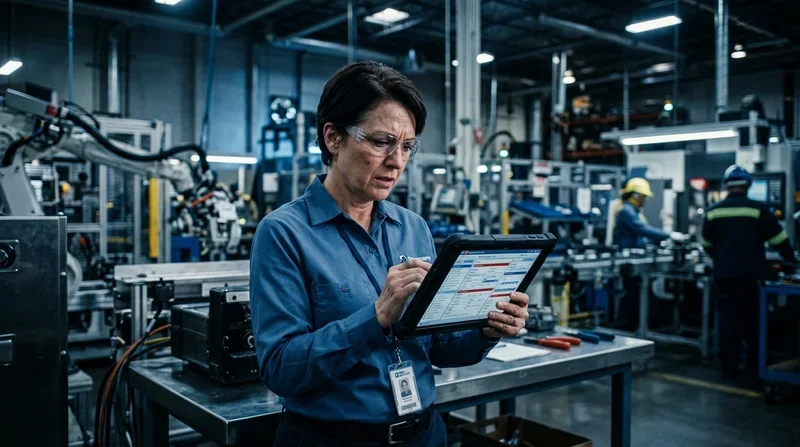
Executives often mistake the adoption of basic inspection checklist software for actual digital maturity. Moreover, they assume that buying new hardware automatically fixes bad processes. This lazy approach ignores the complex realities of modern manufacturing environments. Therefore, they end up with a shiny new system that performs just as poorly as the old one.
The Illusion of Digital Progress
Handing an inspector an iPad undoubtedly feels like a massive technological upgrade. However, this creates a highly dangerous illusion of progress for executive management. If the digital form perfectly mimics a flawed paper document, nothing has truly improved. Therefore, the company still suffers from the exact same bottlenecks and delays. The data might be digital, but the workflow remains entirely stagnant.
Furthermore, a true digital quality management system connects every single department seamlessly. It actively prevents errors rather than just passively recording them after the fact. Meanwhile, basic digitization merely creates a faster way to document your manufacturing mistakes. As a result, companies waste thousands of dollars on software without seeing any real ROI.
Key Differences in Approach
To understand this failure rate, we must look at how companies deploy technology. Specifically, successful organizations view software as a tool to enforce new standards. On the other hand, failing organizations view software as a digital filing cabinet.
Here are the clear signs that your company is doing it wrong:
- You still require manual signatures on digital PDF documents.
- Inspectors spend hours typing handwritten notes into a separate database.
- Your digital forms do not trigger automatic alerts when a failure occurs.
- Management still waits until the end of the week to review quality metrics.
Ultimately, true paperless quality control requires dynamic, intelligent workflows. It demands systems that react to data in real-time.
2. The ‘Paper-to-Glass’ Fallacy: Digitization vs. Digitalization
Understanding the crucial difference between digitization and digitalization is absolutely vital for success. Digitization is merely changing the physical medium from paper to a digital screen. On the other hand, digitalization transforms the actual workflow and the underlying system. Specifically, it leverages advanced technology to create entirely new, highly optimized processes. This distinction is the dividing line between success and failure in modern manufacturing.
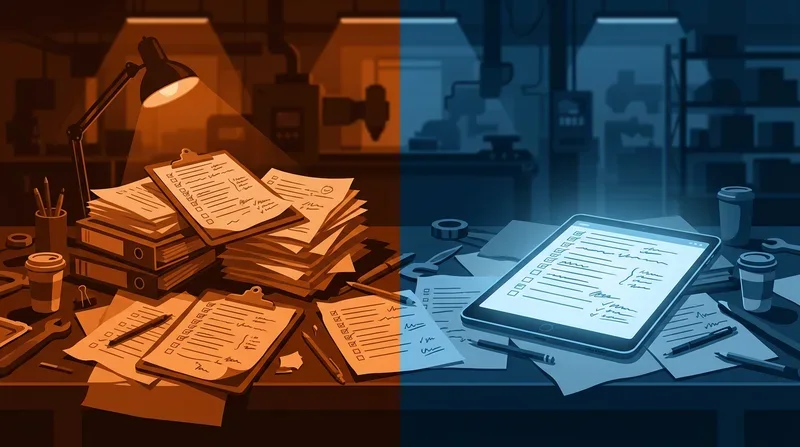
Unfortunately, the ‘paper-to-app’ fallacy ruins quality control for countless manufacturers globally. Simply converting paper checklists into basic digital apps inherits existing systemic inefficiencies. Moreover, it frequently amplifies these hidden flaws across the entire production floor. Therefore, a bad process on paper simply becomes a faster bad process on a tablet.
Why Standalone Apps Fall Short
Many facilities implement a standalone quality control app to modernize their operations quickly. However, this isolated approach is never enough to achieve true quality assurance digitization. A disconnected app cannot communicate with your broader enterprise resource planning tools. Consequently, it creates entirely new data silos that frustrate management teams.
Furthermore, true digitalization requires a holistic view of your manufacturing quality software. It demands seamless, instant communication between machines, floor inspectors, and executive management. Instead of just replacing clipboards, organizations must completely rethink how their data flows. Most importantly, they need to ensure that quality metrics trigger immediate, automated corrective actions.
Breaking the Cycle of Inefficiency
Avoiding the paper-to-glass trap requires a massive shift in corporate mindset. You must stop looking for digital replacements for your physical forms. Instead, you should seek comprehensive solutions that eliminate the need for those forms entirely. As a result, your team can focus their energy on actual quality improvement.
Consider the negative impacts of the paper-to-glass fallacy:
- It preserves outdated approval hierarchies that slow down production lines.
- It fails to utilize the computational power of modern mobile devices.
- It creates a false sense of security among quality assurance managers.
- It prevents the implementation of automated, data-driven decision making.
Ultimately, digitalization is about working smarter, not just recording data faster. Therefore, you must challenge every existing step in your quality control process.
3. Root Causes of QMS Implementation Failures
Identifying exactly why quality systems fail is the first step toward preventing disaster. Primarily, severe data silos and fragmentation destroy the effectiveness of new software implementations. Disconnected manufacturing quality software prevents real-time analytics and holistic visibility across the plant. Therefore, managers cannot see the big picture across different global production lines.
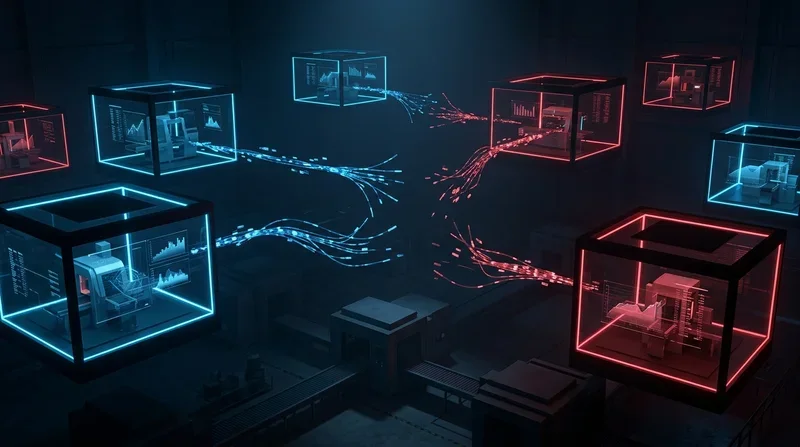
Additionally, these isolated databases force workers to enter the exact same data multiple times. This forced redundancy naturally leads to human error and immense employee frustration. Furthermore, leaders are forced to make decisions based on outdated or incomplete information. As a result, the entire quality program suffers from a severe lack of trust.
The Danger of Ignoring Process Re-engineering
Another fatal mistake is deploying expensive software over broken, outdated QA processes. Specifically, companies rush to buy shiny tools instead of optimizing their workflows first. However, technology cannot magically fix a fundamentally flawed or inefficient inspection routine. Therefore, ignoring process re-engineering practically guarantees a failed system implementation.
If your current process requires five unnecessary approval signatures, digitizing it won’t help. You will simply have five unnecessary digital signatures delaying your production schedule. Consequently, you must strip away the waste before introducing any new technology. Only then can you build a truly efficient digital framework.
Overcoming Poor User Adoption
Moreover, poor user adoption frequently derails even the most expensive software rollouts. Shop floor workers will quickly reject overly complex digital quality management systems. In fact, if the software does not align with their physical tasks, they will rebel. They will simply find clever workarounds or stubbornly return to their trusted paper methods.
To ensure long-term success, the software must actively make the inspector’s job easier. Notably, it should drastically reduce administrative burdens and streamline their daily tasks.
Common reasons for poor user adoption include:
- The software interface is cluttered, confusing, and difficult to navigate.
- The application runs slowly or crashes frequently on shop floor tablets.
- Workers receive inadequate training before the system goes live.
- The digital workflow adds extra steps to their already busy shifts.
Meanwhile, leadership must actively listen to shop floor feedback during the initial rollout. Ultimately, a system is only as good as the people willing to use it.
4. Anatomy of a True Digital Quality System
A successful digital transition requires specific, highly advanced technological capabilities. First and foremost, automated quality inspection workflows are absolutely essential for modern operations. These intelligent workflows completely eliminate manual data entry and reduce tedious administrative tasks. Consequently, they free up your inspectors to focus entirely on actual product evaluation.
Furthermore, these automated systems trigger instant alerts for any detected non-conformances. If a product fails an inspection, the software immediately notifies the appropriate floor supervisor. Therefore, production can halt immediately before thousands of defective units are accidentally manufactured. This rapid, automated response saves companies massive amounts of time, materials, and money.
IoT Integration and Real-Time Analytics
Modern quality inspection software must also include robust, seamless IoT integration. Specifically, connecting shop floor machines directly to the QMS allows for continuous, automated monitoring. Smart sensors can detect minute deviations in temperature, pressure, or machine vibration. As a result, the system captures critical quality data without any human intervention whatsoever.
Additionally, this real-time data feeds directly into powerful, centralized analytics dashboards. Managers can instantly visualize production health across the entire global enterprise network. Moreover, predictive analytics completely transform how organizations handle potential manufacturing defects. Instead of waiting for a failure, the system predicts when a machine will drift out of tolerance.
Predictive Analytics and Closed-Loop CAPA
Most importantly, a true digital system features comprehensive Closed-Loop CAPA capabilities. This crucial feature moves organizations from reactive corrections to proactive, automated actions. Specifically, it ensures that every Corrective and Preventive Action is rigorously tracked to completion.
A true digital system provides several distinct operational advantages:
- It automatically routes non-conformance reports to the correct engineering teams.
- It forces root cause analysis before allowing a CAPA to be closed.
- It links specific defects directly to the machine operators involved.
- It generates compliance reports automatically for external regulatory audits.
Ultimately, this creates a continuous, unbreakable cycle of quality improvement. Therefore, your digital quality management system becomes a proactive shield against defects.
5. A Blueprint for Success: Transitioning to Automated Workflows
Transitioning to paperless quality control requires a highly strategic, carefully phased approach. First, comprehensive process mapping must happen before you ever contact a software vendor. You need to thoroughly audit and completely redesign your current quality workflows. Specifically, you must identify hidden bottlenecks, redundant approvals, and unnecessary data entry points.
Furthermore, optimizing these processes on a whiteboard ensures you don’t digitize bad habits. Once your workflows are exceptionally lean, you can begin evaluating potential technology partners. However, choosing the right platform is absolutely critical for your long-term success. You must select modern quality inspection software that genuinely supports systemic digitalization.
Choosing the Right Platform
When evaluating vendors, you must look for extreme flexibility and robust integration capabilities. Additionally, the platform must easily connect with your existing ERP and MES systems. A beautiful user interface is worthless if the system cannot share critical data seamlessly.
You should evaluate potential software vendors based on these strict criteria:
- The ability to build custom workflows without requiring complex coding skills.
- Native integration with your existing manufacturing hardware and IoT sensors.
- Offline capabilities for shop floor areas with poor wireless connectivity.
- Robust analytics engines that provide actionable insights in real-time.
Meanwhile, change management is often the most overlooked aspect of any software deployment. Securing enthusiastic shop floor buy-in is absolutely vital for a smooth, successful transition.
Change Management and Scaling
Therefore, you must involve your QA teams early in the software selection process. Let them test the application and provide honest feedback on its daily usability. Moreover, actionable training steps will significantly help ease the transition for older workers. Specifically, provide hands-on workshops and clear, highly visual reference guides.
Finally, always phase your software rollout to maximize your return on investment. Start with a single production line or a very specific inspection process. As a result, you can iron out unexpected bugs before scaling the system facility-wide. Ultimately, this measured, careful approach guarantees a successful, sustainable digital transformation.
Implementing quality inspection software is only successful when organizations move past the ‘paper-to-glass’ illusion. True digital transformation requires re-engineering the entire quality system from the ground up. Furthermore, companies must actively break down data silos to achieve full operational visibility. By adopting automated, closed-loop workflows, manufacturers can finally realize the true promise of Industry 4.0.
Conversely, clinging to outdated methods will only result in wasted capital and frustrated employees. Therefore, it is time to stop digitizing broken, inefficient processes. You must evaluate your current QA workflows today to uncover hidden operational bottlenecks. Finally, request a demo of a comprehensive digital quality management system designed for systemic transformation.