Embedded software development services provide essential firmware and driver solutions that power intelligent hardware across various sectors including automotive and healthcare at dev-station.tech. We deliver expert embedded software engineering services to optimize device performance using advanced real-time operating systems and C++ programming for superior reliability.
Which 5 Industries Depend Most on Embedded Software Development Services?
The reliance on embedded systems has grown exponentially, with the global embedded software market projected to reach over 21.5 billion USD by 2027. This growth is driven by the demand for smart, connected devices that require sophisticated low-level control. At Dev Station Technology, we observe that five specific industries are spearheading this adoption, utilizing embedded software design services to innovate and maintain competitive advantages.
How Is the Automotive Industry Transforming with Embedded Systems?
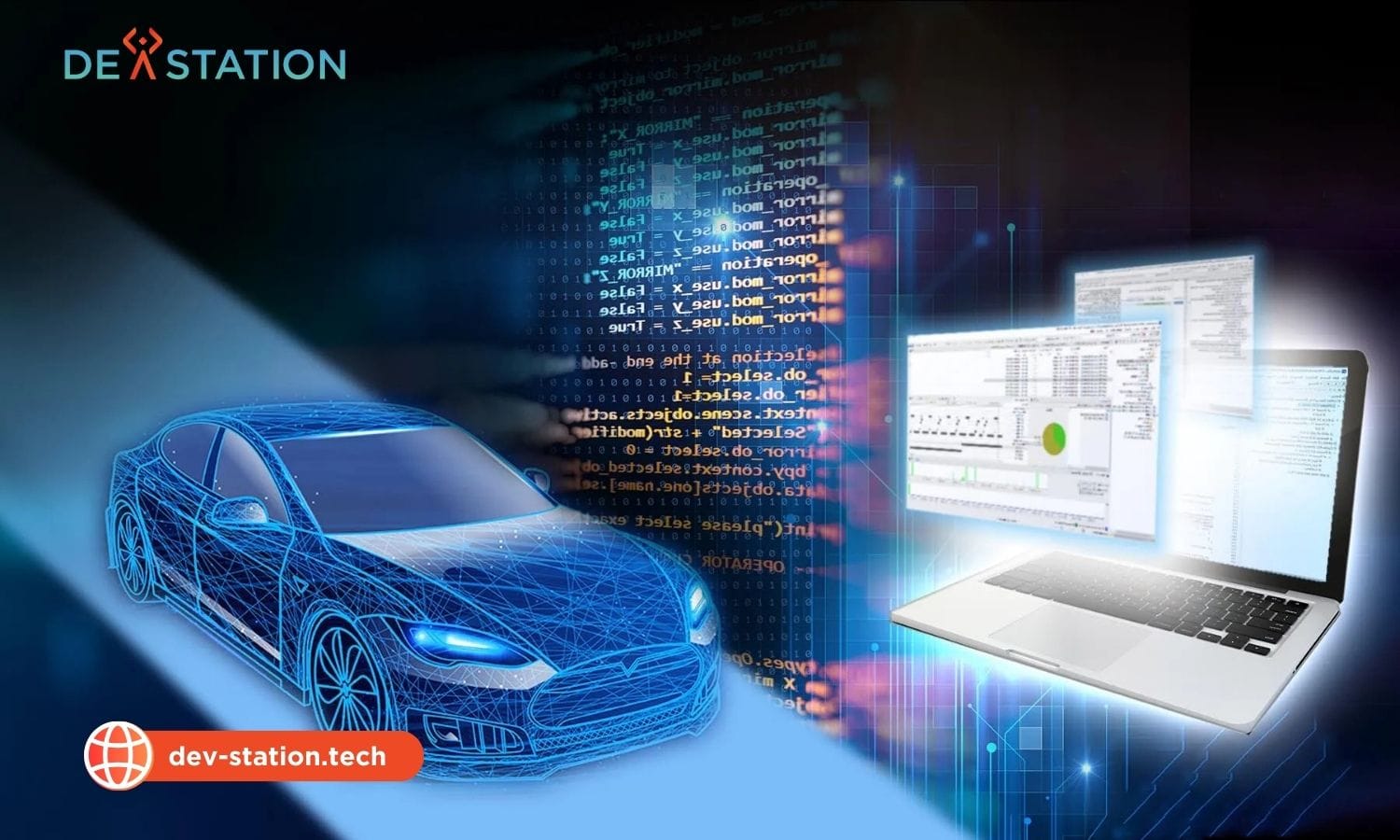
The automotive sector is perhaps the most significant consumer of firmware development services today. A modern high-end car contains approximately 100 million lines of code. This software controls everything from simple window operations to complex Advanced Driver Assistance Systems. Developers must adhere to strict safety standards such as ISO 26262 to ensure that the firmware interacting with the hardware is fail-safe. The shift towards electric vehicles has further intensified the need for precise battery management systems, which are purely driven by embedded logic.
Why Is Healthcare Critical for Embedded Engineering?
In the medical field, a software glitch is not just an inconvenience; it can be a matter of life and death. Embedded software services in healthcare focus on creating systems that operate with high precision and low latency. For instance, an insulin pump must deliver the exact dosage at the exact time based on sensor data. This requires rigorous adherence to standards like IEC 62304. Furthermore, the integration of iot software development allows these devices to transmit patient data securely to cloud platforms, facilitating remote diagnostics and telemedicine.
How Do Consumer Electronics Utilize Embedded Software?
The consumer electronics market thrives on innovation and user experience. Embedded engineers work to optimize code to run on microcontrollers with limited battery life and processing power. We see this evolution clearly when we analyze what has affected almost every aspect of modern sports and fitness tracking. Wearable devices process biometric data in real-time, requiring efficient algorithms written often in C or C++. This sector demands rapid prototyping and deployment to keep up with consumer trends.
What Role Does Industrial Automation Play in Embedded Services?
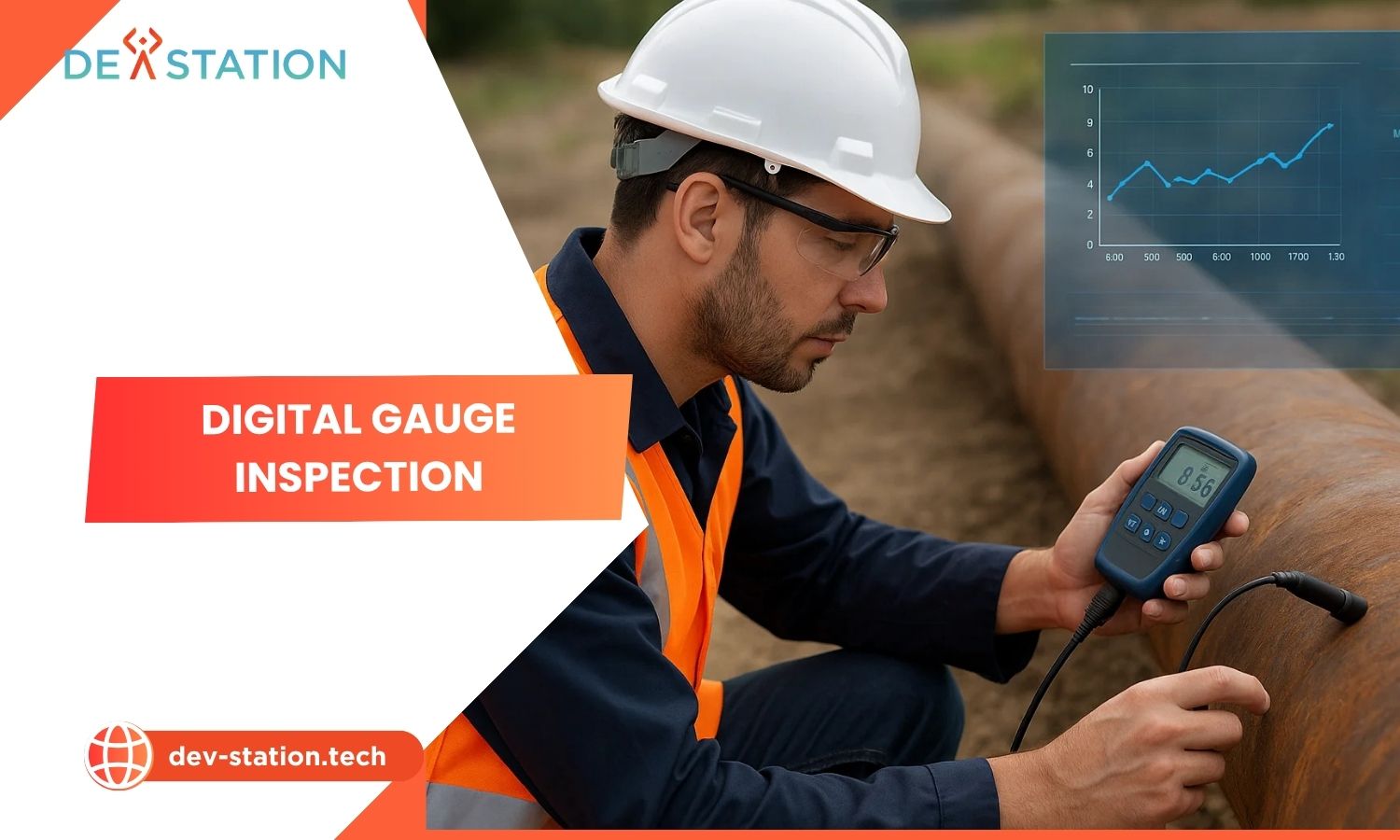
Industry 4.0 is built upon the backbone of embedded systems. Manufacturing plants utilize embedded sensors and actuators to monitor machinery health and optimize production lines. This involves complex electronic system design where software must interact seamlessly with custom hardware. The goal is to reduce downtime through predictive maintenance, where the embedded system analyzes vibration or temperature data locally before alerting central systems.
How Is the Telecommunications Sector Evolving with Embedded Tech?
The rollout of 5G networks has created a surge in demand for specialized embedded engineering. Network equipment must handle gigabits of data per second with minimal latency. This requires highly optimized embedded Linux systems or bare-metal software. Engineers in this field focus on network protocols, signal processing, and encryption to ensure secure and fast communication across the globe.
Why Do Hardware Companies Need Specialized Firmware Development?
Developing device firmware is a distinct discipline that differs significantly from application software development. It requires a deep understanding of the underlying hardware architecture, including memory management, interrupt handling, and register configuration. Hardware companies often seek a service provider to write the low-level software and firmware that runs on their electronic devices because generalist developers may lack the specific knowledge of microcontrollers and real-time constraints.
Finding niche experts is a primary challenge for these companies. They are constantly searching for a software company with expertise in embedded systems, real-time operating systems RTOS, and c++ software development services. At Dev Station Technology, we understand that a delay in firmware development can stall the manufacturing process, leading to significant financial losses. Therefore, specialized firmware engineering ensures that the hardware capabilities are fully utilized and that the product is released to market on schedule.
What Is the Importance of Custom Driver Development?
Driver development is the critical link between the hardware and the Operating System OS. When a company creates a custom piece of hardware, such as a specialized sensor or a proprietary communication module, standard drivers are rarely sufficient. Needing custom software drivers to allow an operating system to communicate with a piece of hardware is a common scenario.
Professional driver development services ensure that these components are recognized correctly by the OS (whether it is Linux, Windows, or an RTOS) and function with stability. Poorly written drivers are a leading cause of system crashes and instability. Expert engineers optimize drivers for performance, ensuring that data transfer between the device and the CPU is handled efficiently, which is particularly important for high-bandwidth devices like cameras or network adapters.
How Does IoT Device Development Leverage Embedded Services?
The Internet of Things has revolutionized how we interact with the physical world. However, building an IoT device is complex. It involves not just the physical hardware but also the embedded software that manages connectivity via Wi-Fi, Bluetooth, Zigbee, or cellular networks. Companies are looking for a service that can develop the embedded software for a new IoT product that balances performance with power efficiency.
Working with a specialized iot development company allows businesses to navigate the complexities of IoT protocols and security standards. Security is paramount in IoT; embedded engineers must implement encryption and secure boot processes to prevent unauthorized access. This level of specialization ensures that the IoT ecosystem is robust, scalable, and secure against cyber threats.
When Should You Outsource Firmware Engineering to Experts?
Many organizations reach a point where their internal capabilities cannot keep pace with technological demands. Wanting to outsource the complex and specialized task of embedded software development to an experienced firm is a strategic move. It allows the core business to focus on product strategy and marketing while the technical heavy lifting is handled by experts.
Outsourcing provides access to a talent pool proficient in hardware design services and software engineering without the long lead times of recruitment. It is particularly beneficial for short-term projects or when specific skills, such as knowledge of a particular microcontroller architecture or communication stack, are required. A reputable embedded software development company brings established processes for testing and quality assurance, ensuring a higher quality product upon delivery.
Key Statistics in Embedded Software Market
| Market Segment | Projected Growth (CAGR) | Key Driver |
|---|---|---|
| Automotive Embedded Software | 9.5% | Autonomous Driving & EVs |
| Healthcare/Medical Devices | 7.8% | Telemedicine & Remote Monitoring |
| Industrial IoT (IIoT) | 12.1% | Smart Factory Automation |
The table above illustrates the robust growth across key sectors. Companies that invest in professional embedded software engineering services are better positioned to capture this market share by delivering reliable, high-performance products.
Dev Station Technology is committed to helping businesses navigate these complexities. Whether you need assistance with firmware, drivers, or full-scale system design, our team is ready to support your innovation.
Ready to elevate your hardware project? Explore more at Dev Station Technology or contact us directly at sale@dev-station.tech.